
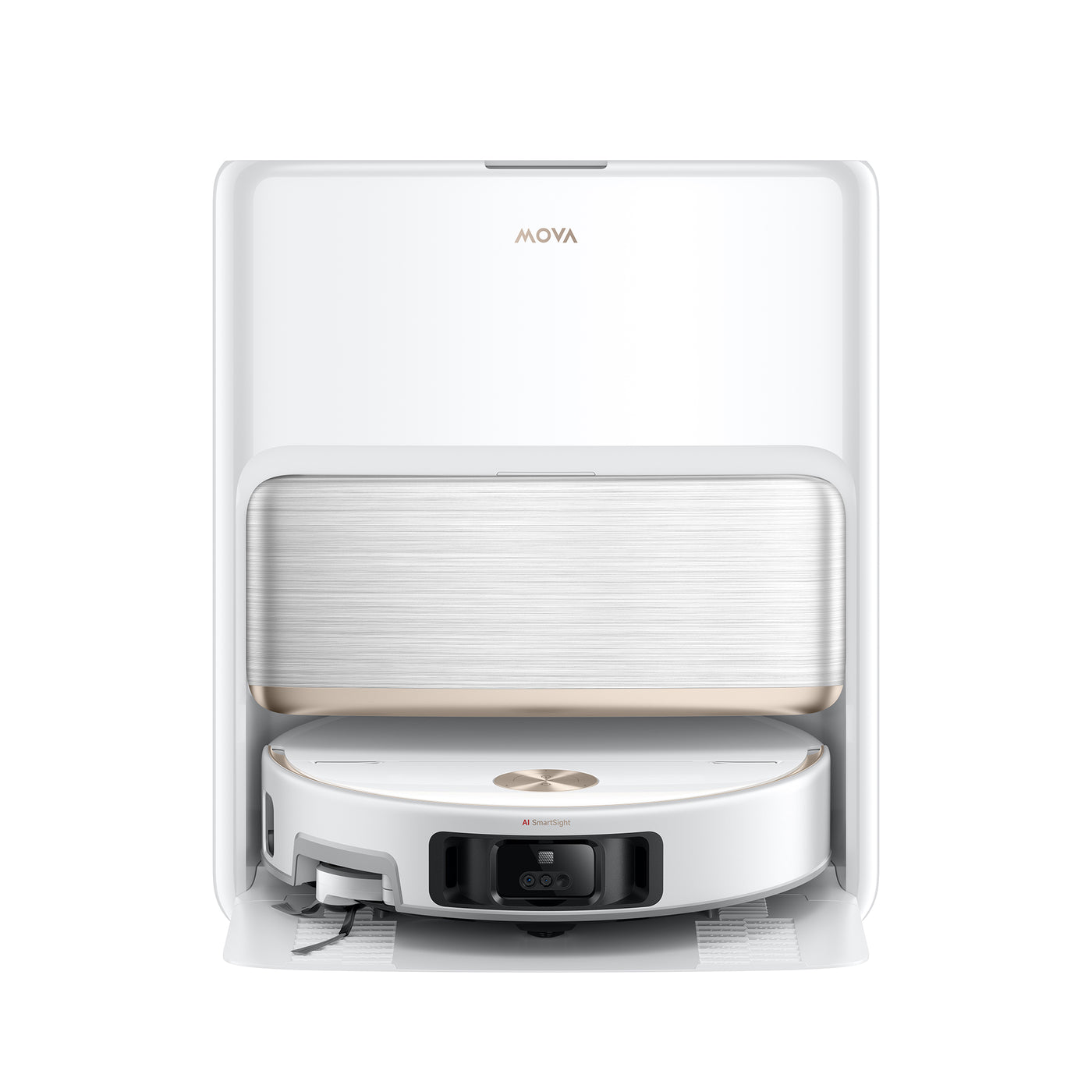
The short version
What you need to know.
- The Australian V70 Ultra Complete lists at $3,299. Its main attraction is reaching awkward areas that otherwise need manual cleaning.
- The 17cm mop measurement is taken from its pivot. The advertised 9cm climb describes a two-step arrangement, not a single vertical ledge.
- My verdict: shortlist it for difficult furniture layouts, but compare mopping, upkeep and the actual selling price before paying flagship money.
A robot that reaches the dirt is an interesting upgrade
I can see the appeal here. A robot can make the middle of a room look great while leaving you to deal with the awkward strip beneath a cabinet or around a furniture base. If a new design reduces that follow-up job, it is solving something useful.
MOVA’s Australian store lists the V70 Ultra Complete at $3,299. That is a serious household purchase, so I want a better reason to recommend it than an impressive specification sheet.
Fresh Australian review coverage on 22 September makes this a timely buying question. I have looked at the local product information and published hands-on reviews to work out where the argument is strongest. I have not personally tested the MOVA, so this is my assessment of the evidence rather than a pretend review.
What those longer arms actually mean
MOVA’s local listing advertises a mop reach of 17cm and a side-brush extension of 12cm. The footnotes use different reference points: the mop figure runs from its pivot centre to the pad’s outer edge, while the brush figure runs from the robot body to the brush’s outer edge.
That means I would not read the headline as a promise of 17cm of extra cleaning beyond the robot’s shell. Nor would I compare those numbers directly with another brand’s stated extension without checking how each is measured.
The practical attraction remains easy to understand. An arm can get part of the cleaning mechanism into a space that the whole robot cannot enter. Whether that helps in your house depends on the height, depth and shape of your furniture.
I would walk around with a tape measure before shopping. Identify the three places your current cleaner misses and ask whether this mechanism can actually reach them. That is a more useful buying exercise than comparing marketing names.
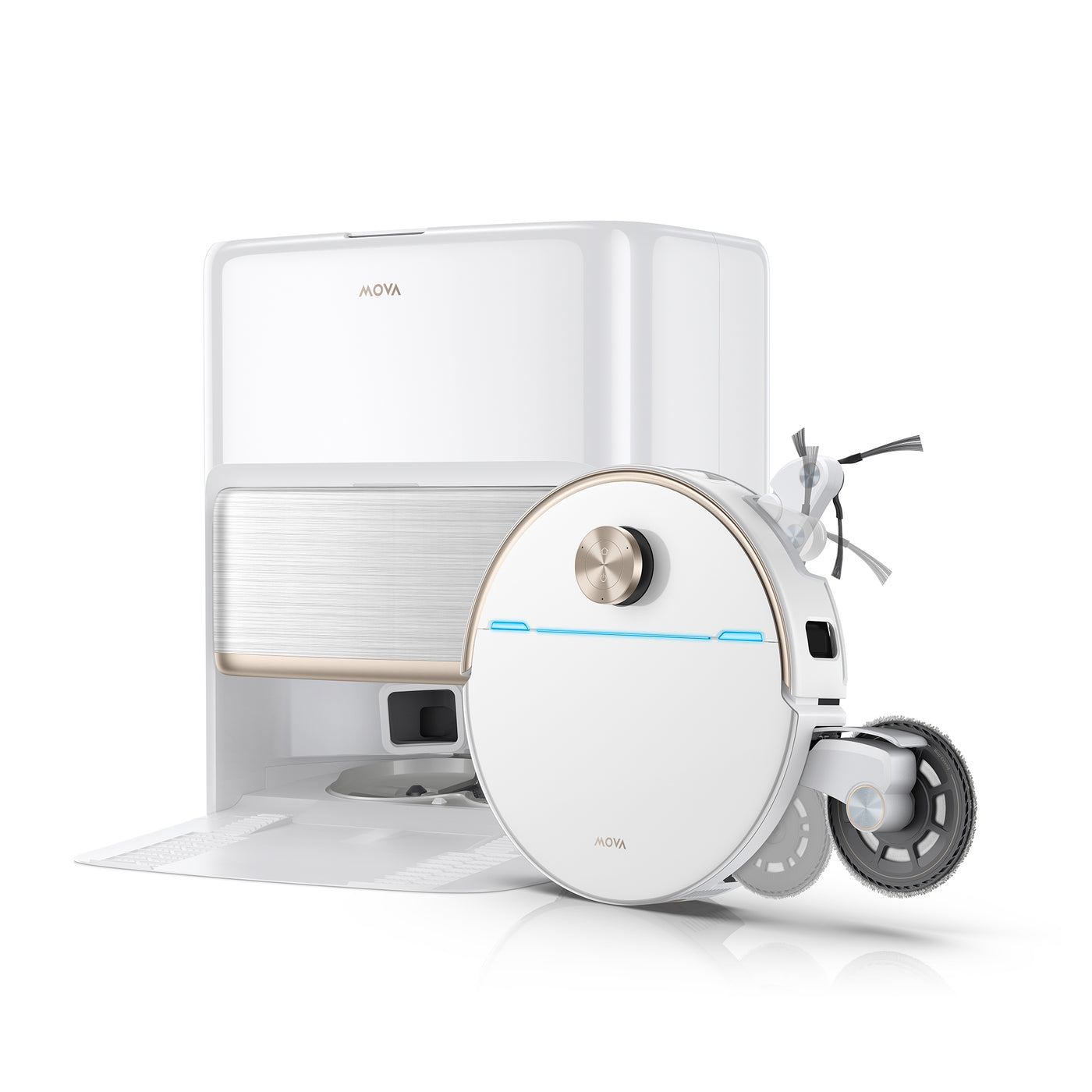
What reviewers found in actual homes
In her 7 September Homes To Love review, Danielle Grover praised the extra access beneath furniture, mapping and cleaning performance. She also reported a sometimes-slow app, lengthy cleaning cycles and a noisy mop-arm mechanism, noting that the noise might be specific to her unit.
Basic Tutorials found the extended mop useful beneath a low sideboard. Its tests also left some difficult debris needing another pass, and deeper joints retained some residue. The reviewer reported an occasion when the robot tried to climb a desk base.
The recent news.com.au Checkout verdict favoured the V70 for carpet and corner cleaning while preferring a roller-mop option for buyers prioritising mopping.
Those observations are useful, but they are not a controlled competition between the same robots on the same floor. Overseas reviews also need care: MOVA’s global page lists different headline figures from the Australian page. I would use local documentation for the unit being sold here.
My reading is encouraging. There is evidence of useful reach, alongside the ordinary compromises you would expect from a moving machine in a cluttered house. I would want good corner access without assuming it makes floor preparation or occasional manual cleaning disappear.
The 9cm climbing claim needs its footnote
The Australian specification describes a maximum 4.5cm single obstacle. Its 9cm figure is the combined height of two steps spaced 23cm apart, under MOVA’s laboratory conditions.
This is not a robot that should be bought on the assumption it can climb any 9cm vertical ledge. Take a photo and measurements of your doorway and have the seller confirm suitability if that transition is the reason you are upgrading.
I also want climbing to be predictable. Getting through a doorway is useful; attempting furniture that should be avoided is not. The app setup and the first few supervised cleaning runs matter just as much as the maximum figure on the box.
Bagless changes the chore, rather than removing it
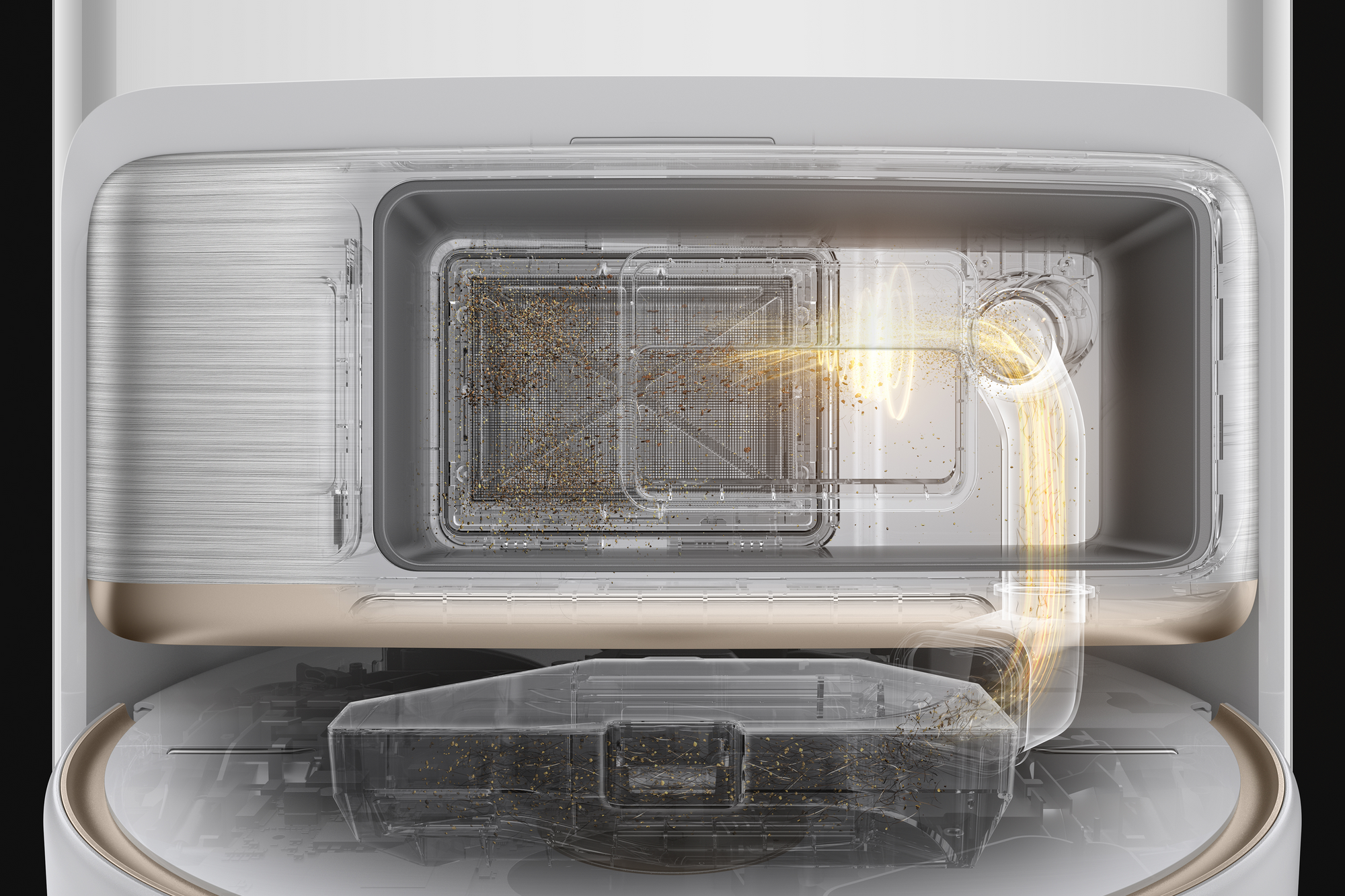
The V70 has a reusable dock dust container. MOVA’s global documentation also describes automatic mop washing and drying, carpet settings and mop removal. These are useful conveniences, but there are still containers, filters and cleaning surfaces to maintain.
One unusually helpful footnote deserves attention: MOVA says EcoCyclone is a product-series name and does not indicate cyclonic separation technology. I would not assume its internals work like another bagless product simply because the names sound similar.
I like reducing disposable consumables. I would still ask the retailer to demonstrate emptying and cleaning the container. Think about where you will do it, how much dust you are comfortable handling and whether you would prefer the convenience of a sealed bag.
With any expensive robot, check the price and availability of replacement brushes, filters and mops before buying. Ask how repairs are handled locally. The purchase is only useful if you can keep the machine working.
Where the ECOVACS X12S fits
ECOVACS lists its X12S OmniCyclone at $2,999 in Australia, with a continuously refreshed roller mop and bagless dock. The listing checked for this article described pre-orders shipping in approximately two weeks. Against MOVA’s listed price, that is a $300 difference.
The design choice matters more to me than picking a winner from suction numbers. MOVA’s longer-reaching mechanism is interesting for awkward furniture access. The X12S roller system is worth investigating if hard-floor washing is your main priority.
That is a shortlist, not a cleaning-performance ranking. A spinning-pad design can clean well, and a roller design does not automatically win every stain test. I would want comparable results, the right features for my floors and confidence in local support.
Both are expensive. I would also compare discounted alternatives in the catalogue before deciding that either flagship is the sensible purchase. Paying less for a robot that already handles your home can be the better outcome.
Browse the robot-vacuum catalogue →
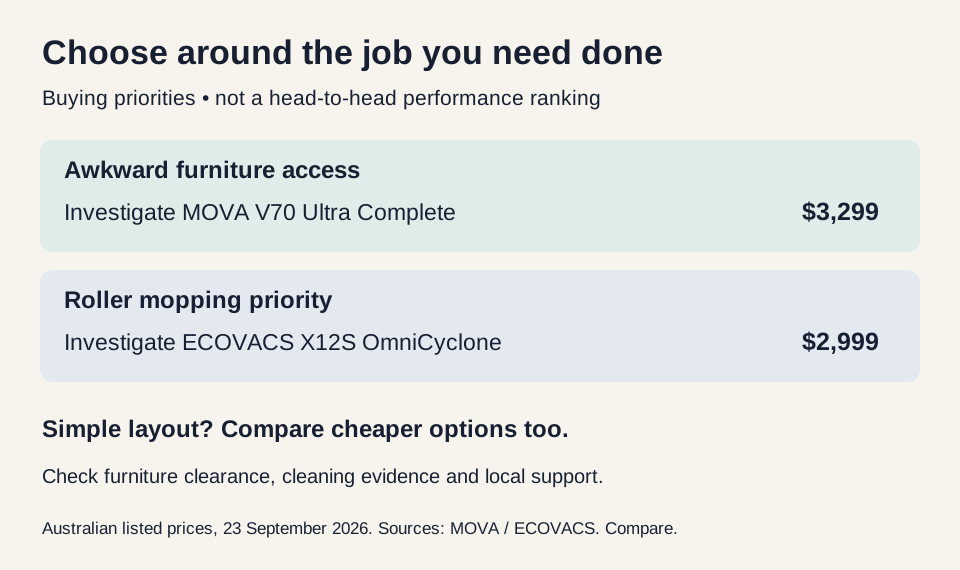
My verdict: pay for the cleaning you stop doing
I am positive about the idea. Reaching an area that used to be missed is a practical improvement, and the published reviews give me a reason to take this one seriously.
At $3,299, though, I would only pay the premium if I could point to the jobs it was likely to remove from my week. Low furniture, awkward edges and troublesome room transitions make a stronger case than a mostly open floor that a cheaper robot already manages.
My shortlist rule is straightforward: confirm the fit, look at the actual deal price, check the upkeep and decide how much unfinished cleaning is left. If the answer is meaningfully less, the extra engineering may earn its keep. If the benefit is mostly a more impressive spec sheet, I would save the money.
Primary sources
Read the evidence.
- Australian V70 price, specifications and measurement footnotesMOVA Australia ↗
- Global V70 documentation and EcoCyclone qualificationMOVA ↗
- Australian hands-on review, 7 September 2026Homes To Love ↗
- Hands-on cleaning and navigation observationsBasic Tutorials ↗
- Recent Australian review coveragenews.com.au Checkout ↗
- Australian X12S OmniCyclone price and roller-mop featuresECOVACS Australia ↗
Independent buying analysis, not a hands-on MOVA review or controlled head-to-head test. Manufacturer claims are identified separately from attributed reviewer observations. Australian prices and listings checked 23 September 2026; offers and availability can change. Official MOVA imagery is credited in captions.
Community
Add to the article.
Useful experiences, questions and corrections make the next reader’s decision easier.
Comments appear here after moderation.