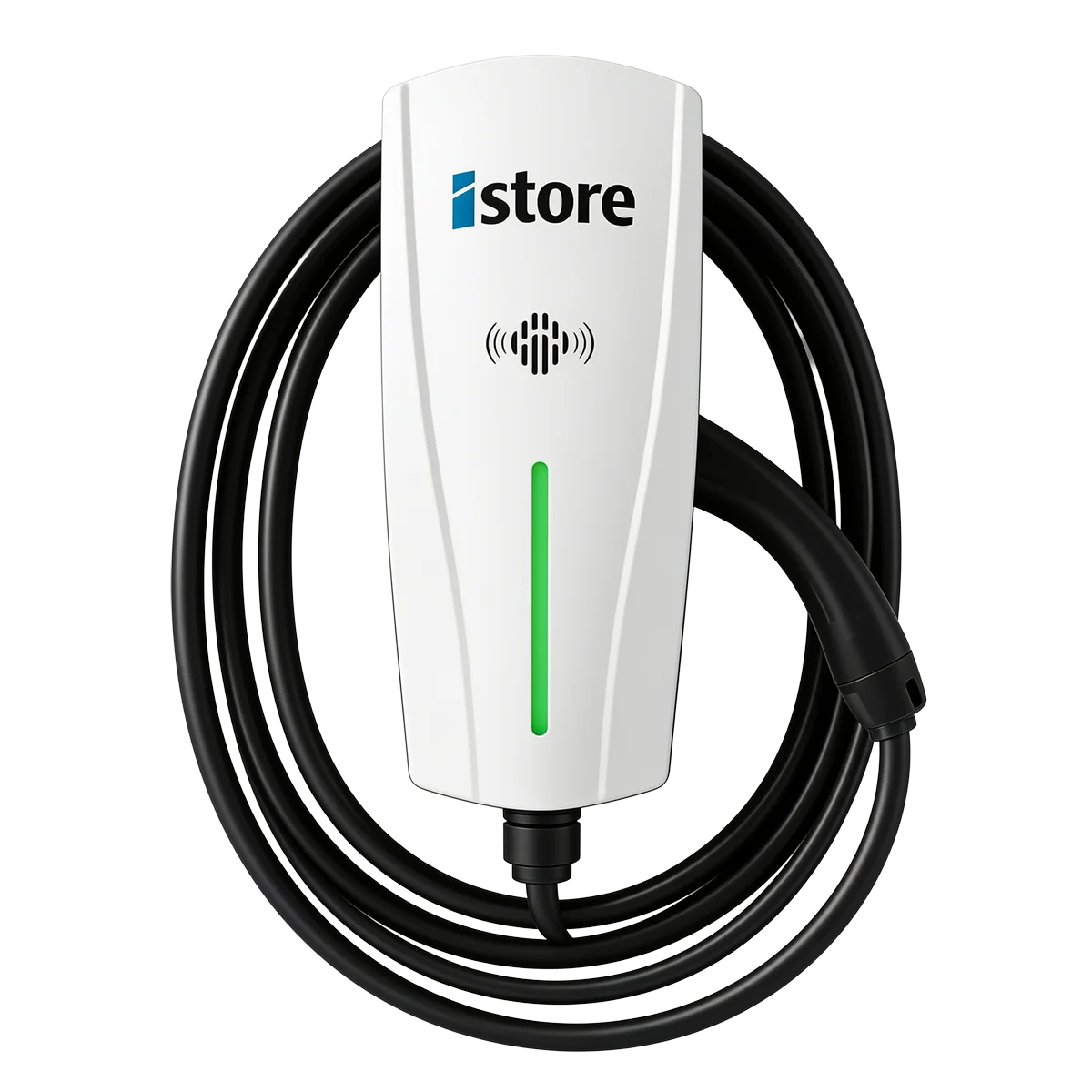
iStore
Smart EV Charger
97/100 guide matchIncludes dynamic load-management capability
Watch: Official web copy is less specific than the product documentation should be.
View product → COMPARE
Australian buying guide · Home EV chargers
Solar charging is more than setting a timer for midday. The charger needs a reliable way to measure household import and export, then adjust the car's charging rate without overloading the connection.
Quick recommendations
Ranked from the current catalogue using this guide's rules.
iStore
Includes dynamic load-management capability
Watch: Official web copy is less specific than the product documentation should be.
View product →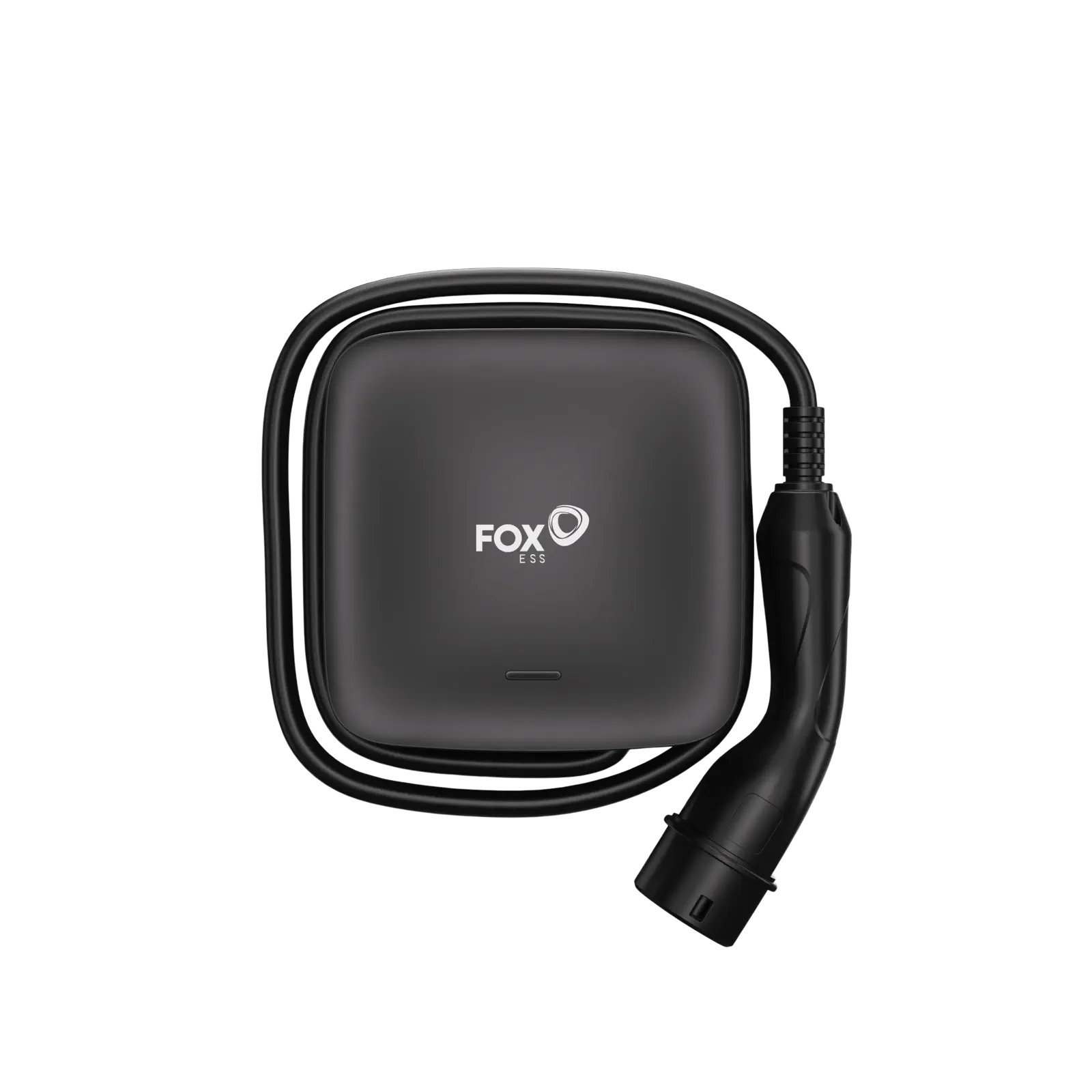
Fox ESS
Includes dynamic load-management capability
Watch: The 22 kW option belongs to other Fox ESS families, not the L Series listed here.
View product →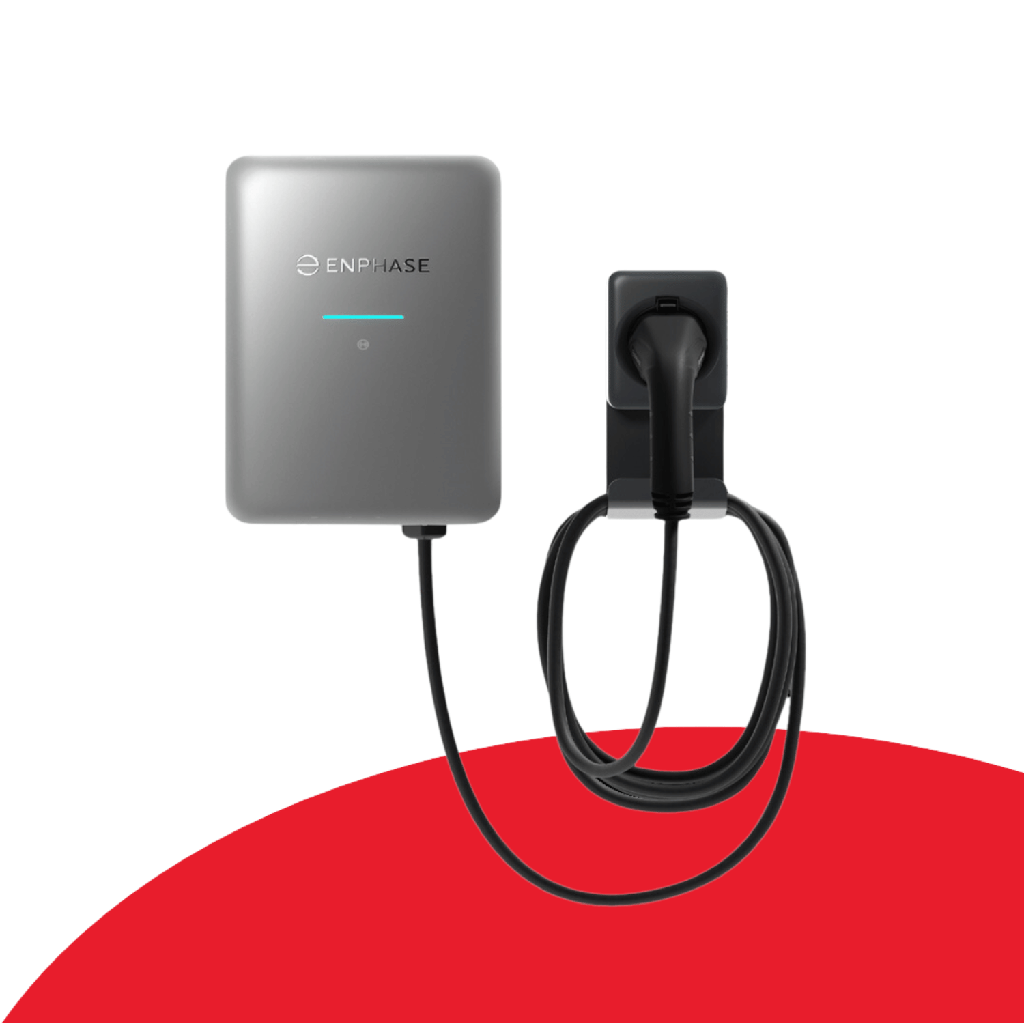
Enphase
Includes dynamic load-management capability
Watch: High equipment allowance before installation.
View product →Things to consider
The charger normally needs a compatible meter or current transformers so it can distinguish genuine surplus generation from power the rest of the home is using. Confirm the meter is included in the quote.
A 22 kW wallbox will not make an EV with an 11 kW onboard charger accept 22 kW. Single-phase cars may charge at roughly 7 kW even when the house and charger are three-phase.
If a plan offers only a short cheap or free period, charging power becomes more valuable. The right answer may combine solar surplus during the day with scheduled grid charging when the tariff is genuinely cheaper.
Product comparison
The match score measures fit against this guide's published rules. It is not a universal product rating.
| Product | Price | Warranty | Key specifications | Guide match | Actions |
|---|---|---|---|---|---|
| iStoreSmart EV Charger | $1,200 | 3 years |
| 97/100 | View productCompare |
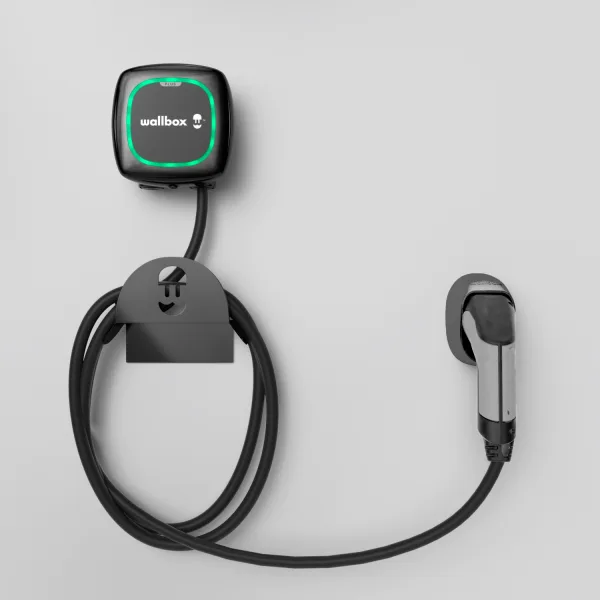 WallboxPulsar Max WallboxPulsar Max | $1,490 | 3 years; confirm Australian terms |
| 97/100 | View productCompare |
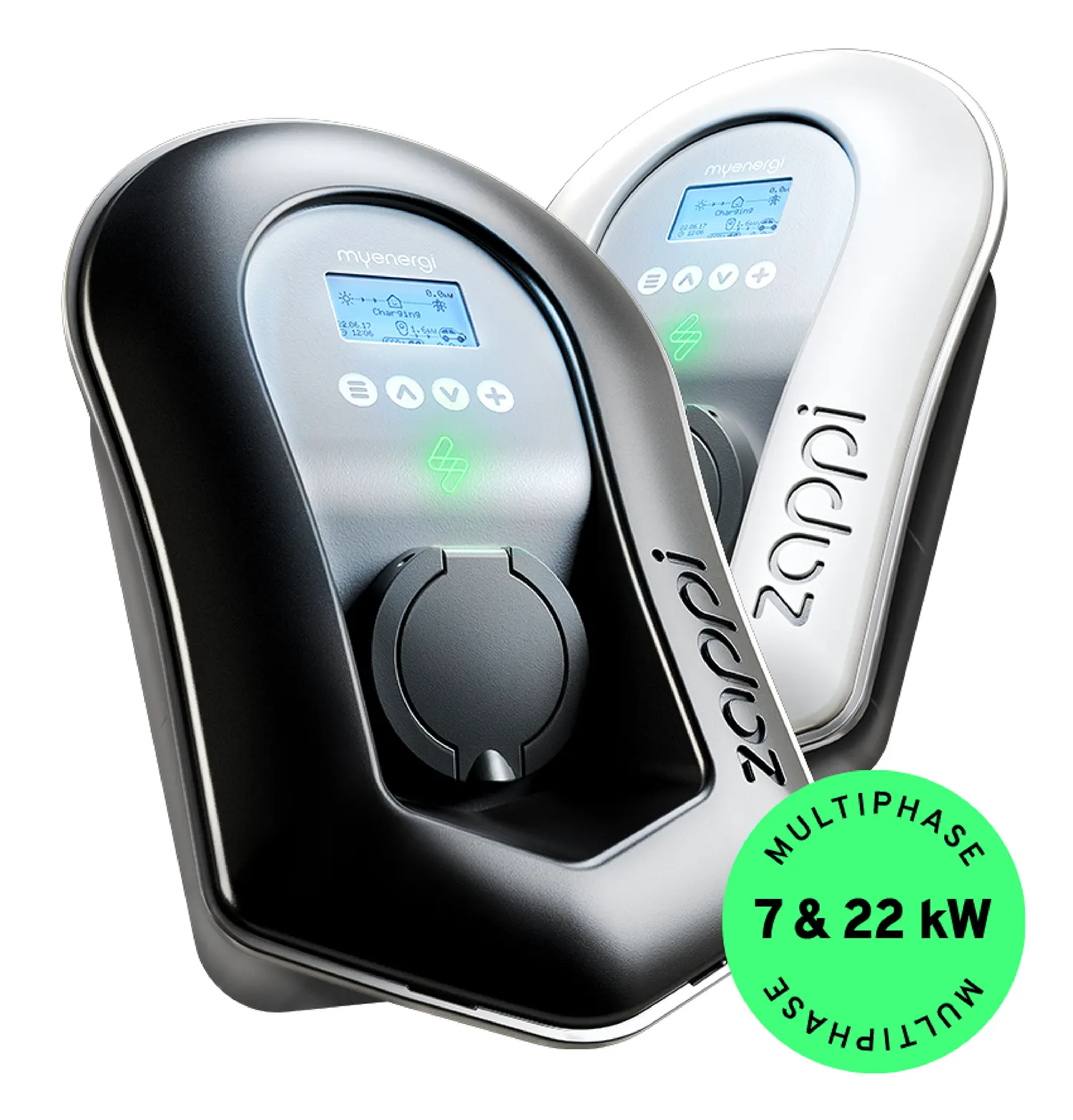 myenergizappi myenergizappi | $1,545 | 3 years |
| 97/100 | View productCompare |
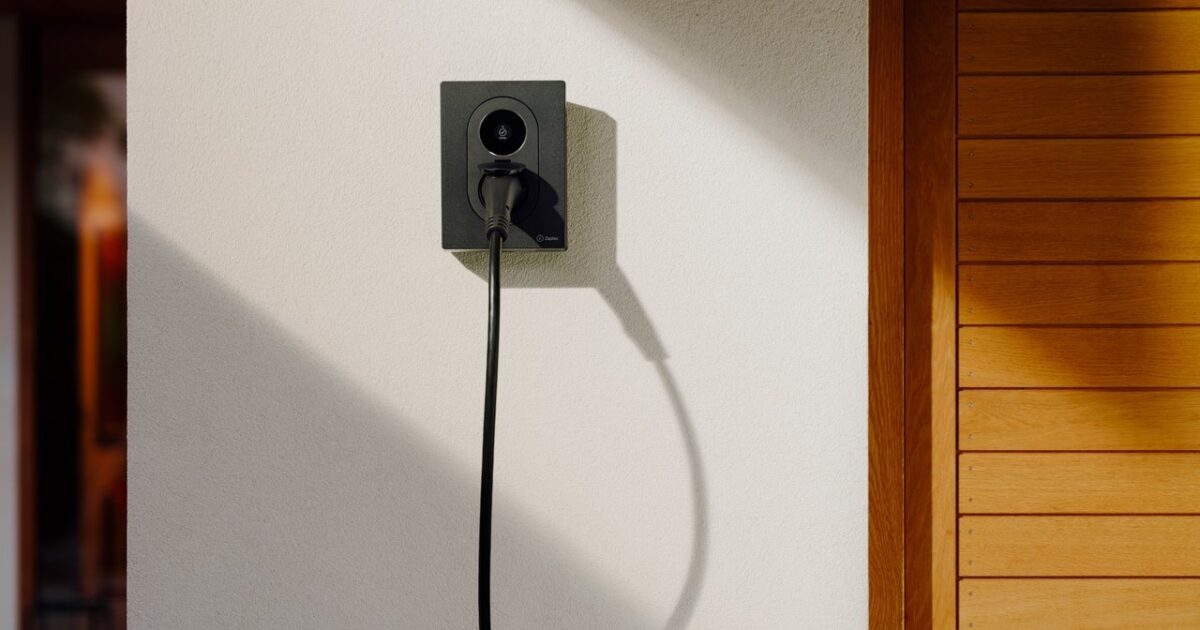 ZaptecGo 2 ZaptecGo 2 | $1,800 | 5 years |
| 97/100 | View productCompare |
| EnphaseIQ EV Charger 2 | $2,200 | 5 years in Australia and New Zealand |
| 97/100 | View productCompare |
| Fox ESSL Series | $800 | Confirm Australian warranty with supplier |
| 92/100 | View productCompare |
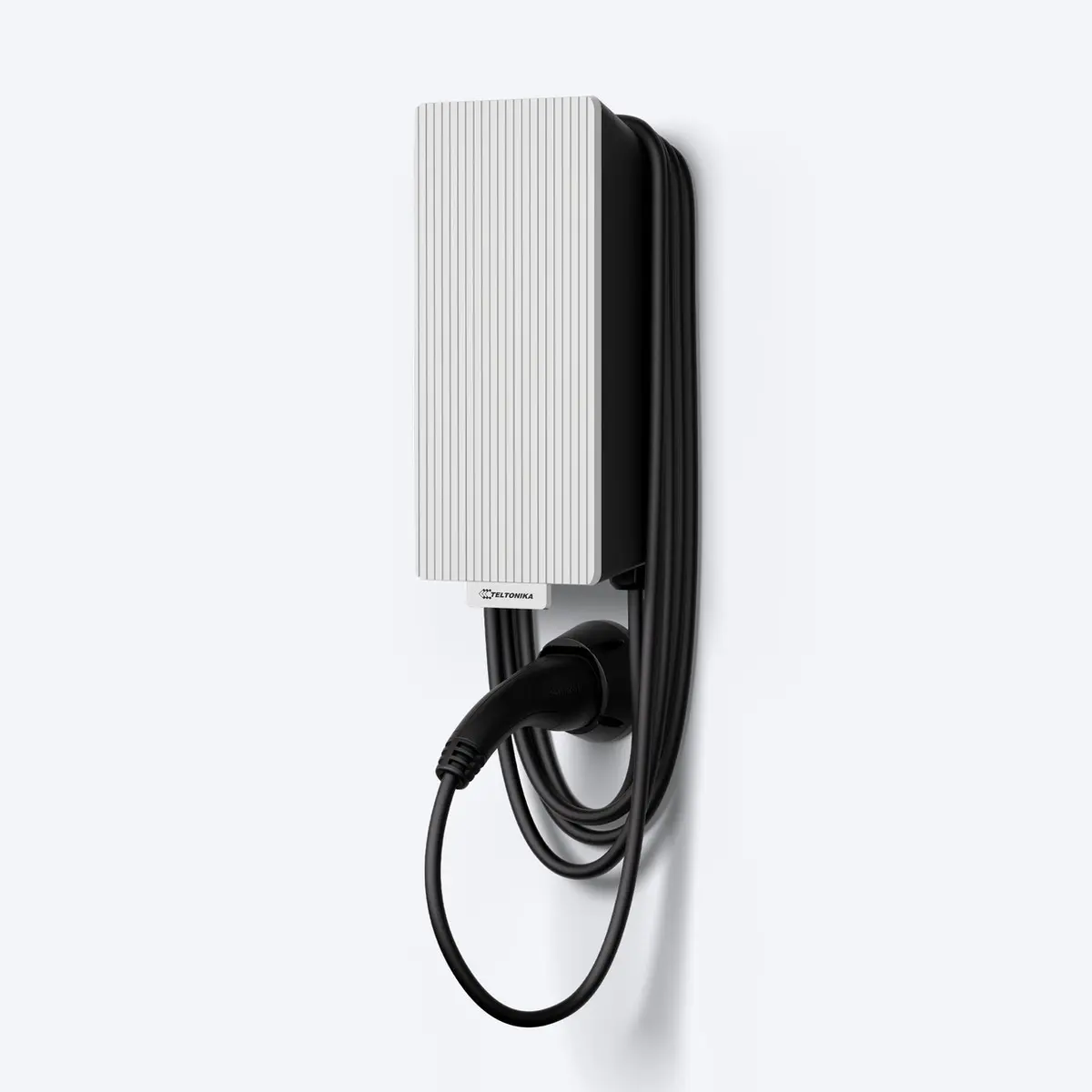 TeltonikaEVC2 TeltonikaEVC2 | $1,189 | 36 months standard; manufacturer extension available to 60 months |
| 92/100 | View productCompare |
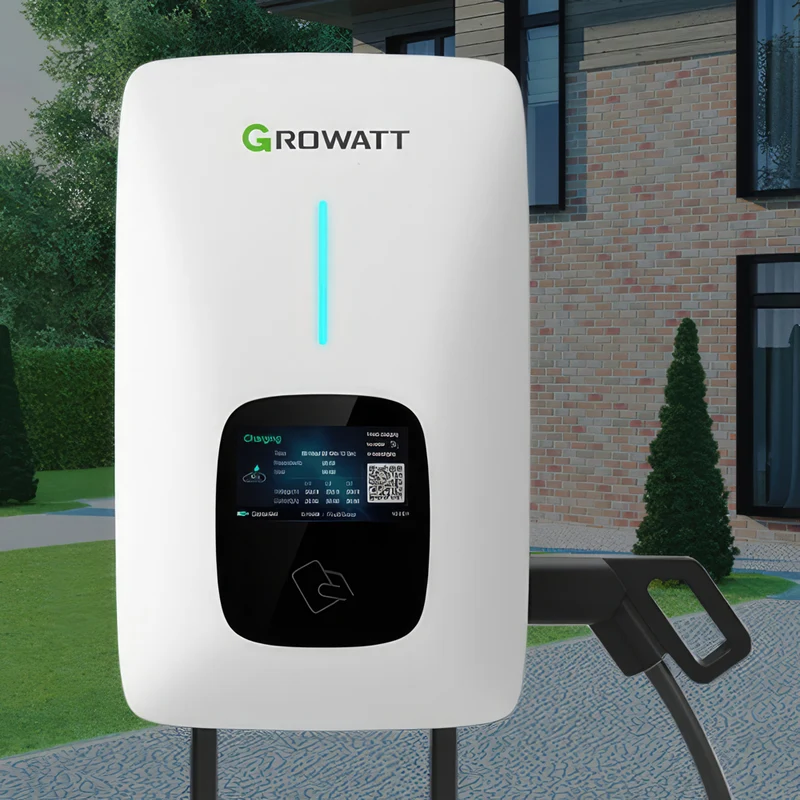 GrowattTHOR AC GrowattTHOR AC | $1,200 | Confirm Australian warranty with supplier |
| 92/100 | View productCompare |
Frequently asked questions
Many solar-aware chargers can vary charging to follow measured surplus. Minimum charging-current limits and passing clouds can still cause pauses or small grid imports.
No, but a matching ecosystem can simplify monitoring and control. An open charger with its own energy meter can be a better choice when you do not want to remain tied to one solar brand.
No. Fixed EV charging equipment must be installed and commissioned by a licensed electrician in Australia.
Ready to narrow it down?