Australian buying guide · Home batteries

Best home batteries for a three-phase home in Australia

A three-phase supply does not mean every battery must discharge across all three phases, but it does make the inverter, backup design and phase balancing much more important. These are the current Australian residential batteries in our catalogue that can form part of a three-phase system.

Editorial update
Latest listed product update
Reading time
7 minutes
Author
Patryk Lazarz (TechManPat)

Quick recommendations

The shortlist.

One best-fit option per brand, selected using this guide's rules. Fewer choices appear when fewer brands qualify. Product details can change independently of the editorial update above; check each profile's source and verification dates before purchase.

Best overall match
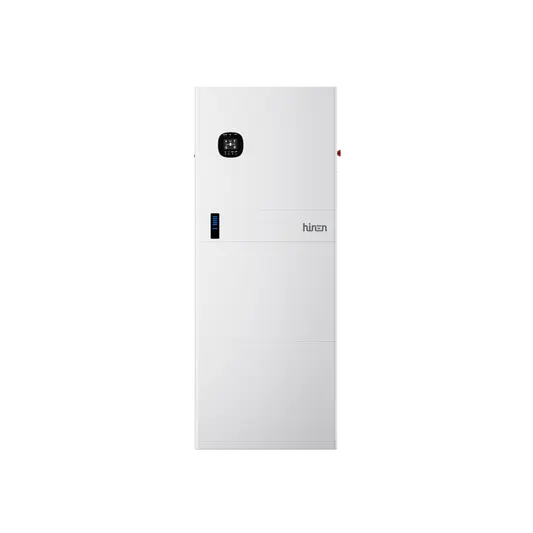
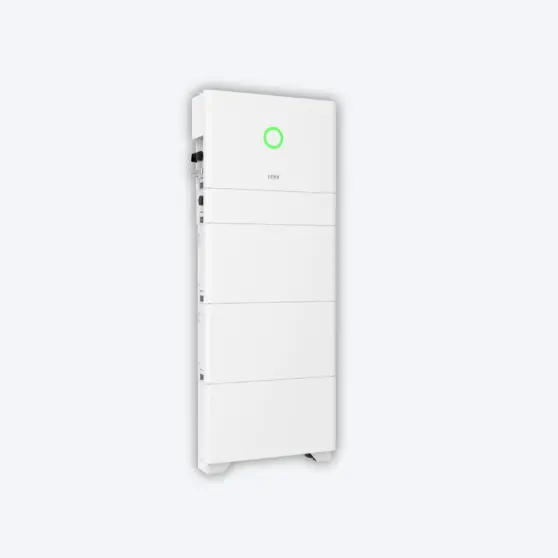
Hinen A Series
Hinen

A Series

97/100 guide match

Research-based recommendation · catalogue evidence

Homes prioritising high inverter output and an integrated battery, switch box and control system

Watch: The broad A Series name covers materially different single-phase, three-phase and AC-coupled products.

View product →
Best flexible alternative
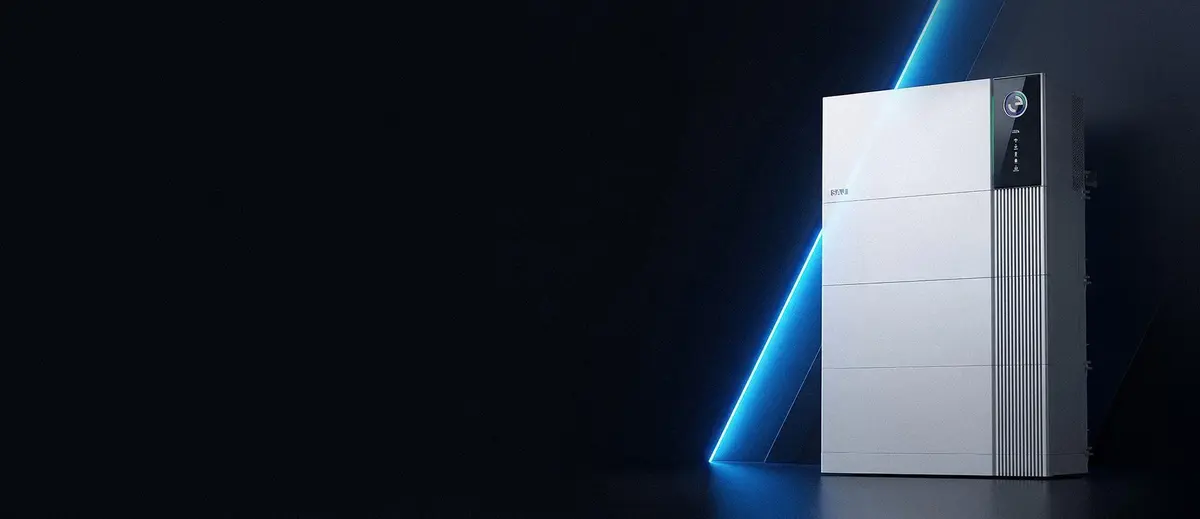
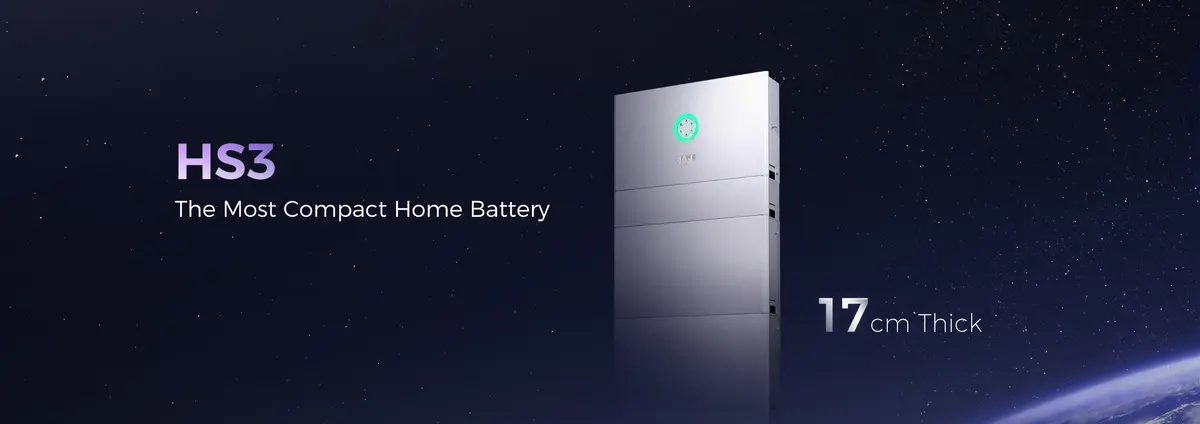
SAJ HS5 EK70 / EK90
SAJ

HS5 EK70 / EK90

97/100 guide match

Research-based recommendation · catalogue evidence

Homes wanting a high-capacity all-in-one system with phase-matched backup and a choice of warranty tier

Watch: The smallest current approved combination is 14 kWh, so HS5 can be oversized for low-usage homes.

View product →
Also consider
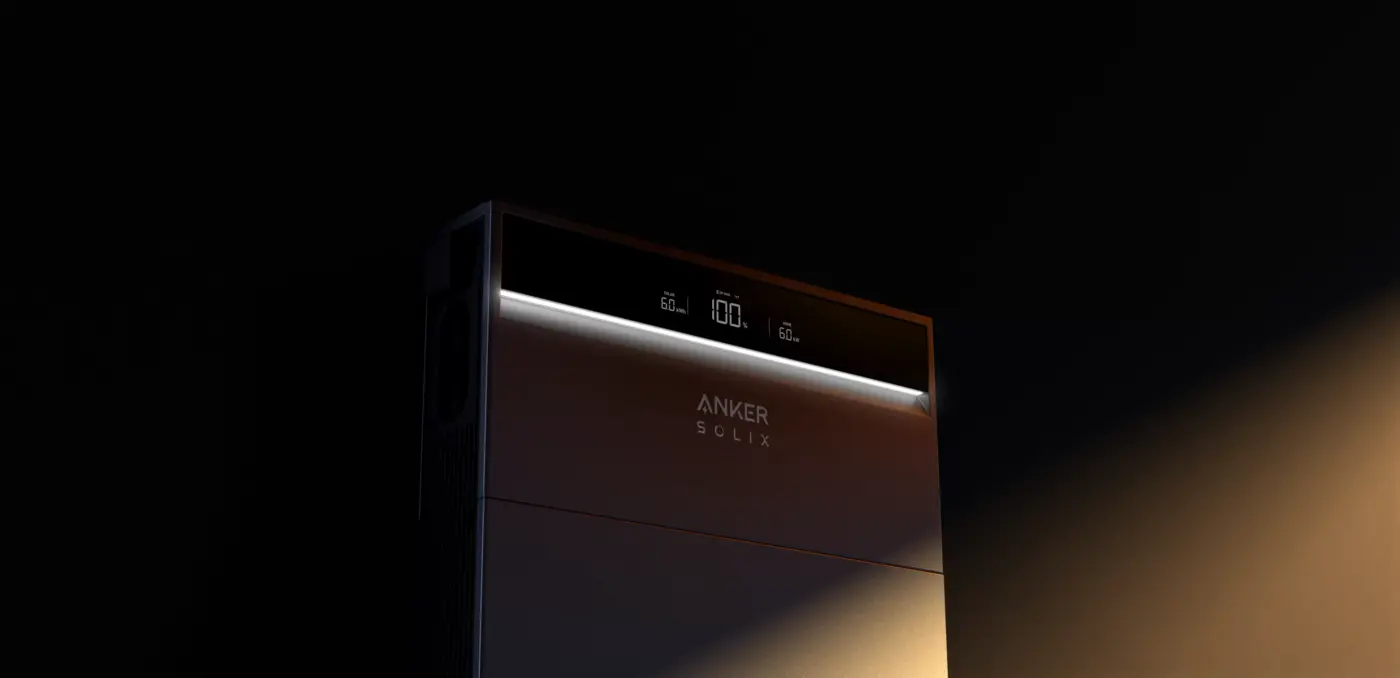
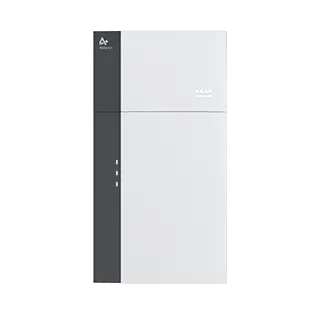
Anker SOLIX X1
Anker SOLIX

X1

97/100 guide match

Research-based recommendation · catalogue evidence

Homes wanting a modular battery, hybrid inverter and backup ecosystem from one brand

Watch: The complete result depends on Anker controller and Power Dock hardware, not only the battery modules.

View product →

Things to consider

What to check before buying.

01Three-phase compatibility is a system question

The battery, hybrid inverter, backup gateway and switchboard design all have to agree. Some batteries work with both single- and three-phase inverter families, while others are tied to one architecture.

  • Confirm the exact inverter model and phase rating.
  • Ask what happens to loads on each phase during a blackout.
  • Check whether backup power is per phase or shared across the home.
02Capacity and power are different

Capacity tells you how long the battery may last. Inverter output tells you how many appliances can run at once. A large battery attached to a modest inverter can still hit its power ceiling when air-conditioning, cooking and EV charging overlap.

03Compare the installed configuration

Australian installed pricing varies with capacity, inverter choice, backup equipment and switchboard work. Compare complete proposals with the same usable capacity and backup scope rather than isolated battery-module prices.

Product comparison

Compare the guide-qualified products.

The match score measures fit against this guide's published rules (55 baseline points plus up to 42 for matched preferences). Missing prices earn no affordability points. Equal scores mean equal rule matches, not equal tested performance. Prices are dated planning evidence, not live offers.

How this guide scores fit
  • Published as a whole-home-capable architecture — weight 18
  • Supports a documented backup configuration — weight 14
  • Modular capacity provides more sizing flexibility — weight 12
  • Carries at least a 10-year stated warranty — weight 10
  • Can scale beyond 20 kWh for higher-use homes — weight 8

Scores use recorded catalogue attributes, not measured performance. Budget and premium selections compare remaining brand finalists, so they are alternatives to the overall pick.

ProductPriceWarrantyKey specificationsGuide matchActions
HinenA Series$12,75010 years / current Australian terms apply
  • Usable capacity range: 8.087–24.26 kWh
  • Home supply: Single-phase and Three-phase
  • Coupling: Integrated
  • Backup: Whole-home capable
97/100View productCompare
SAJHS5 EK70 / EK90$12,750EK70: 10 years; EK90: 15 years / throughput and connectivity conditions apply
  • Usable capacity range: 14–54 kWh
  • Home supply: Single-phase and Three-phase
  • Coupling: Integrated
  • Backup: Whole-home capable
97/100View productCompare
Anker SOLIXX1$13,25010 years / conditions apply
  • Usable capacity range: 5–30 kWh
  • Home supply: Single-phase and Three-phase
  • Coupling: Integrated
  • Backup: Whole-home capable
97/100View productCompare
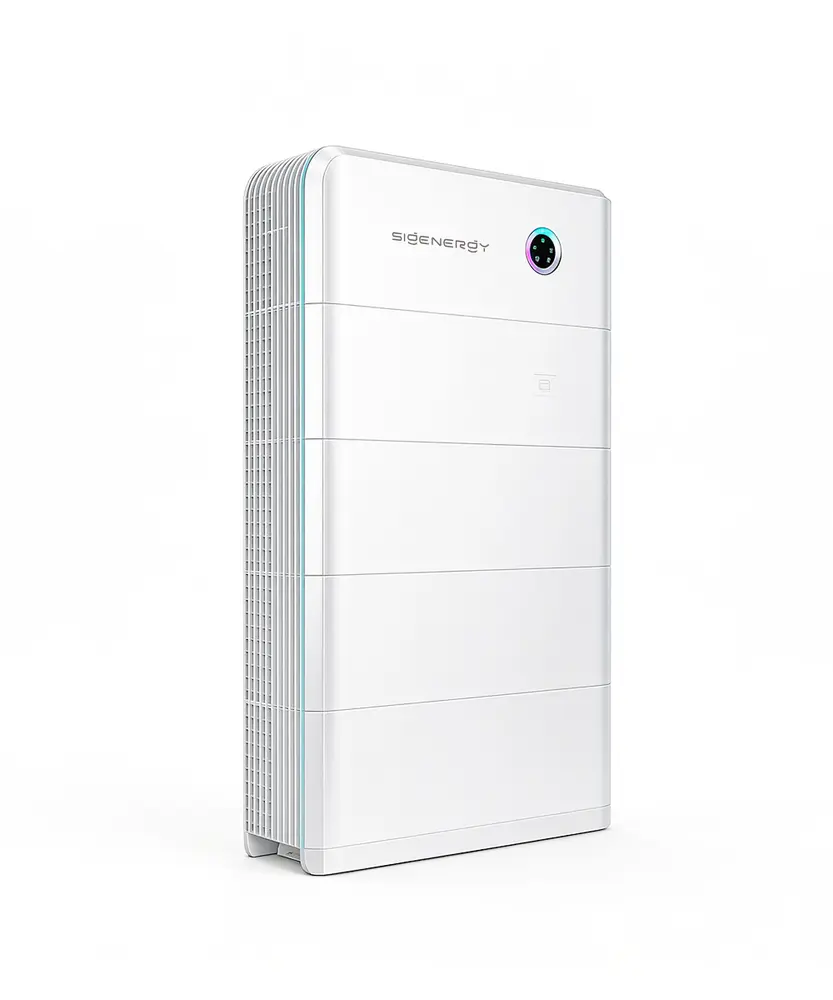
SigenergySigenStor$14,50010 years
  • Usable capacity range: 5.2–48 kWh
  • Home supply: Single-phase and Three-phase
  • Coupling: Integrated
  • Backup: Whole-home capable
97/100View productCompare
SAJAS3 AC-Coupled$13,250Check the current Australian product warranty
  • Usable capacity range: 5–40 kWh
  • Home supply: Single-phase and Three-phase
  • Coupling: AC-coupled
  • Backup: Whole-home capable
90/100View productCompare
SAJHS3 All-in-One$13,250Check the current Australian product warranty
  • Usable capacity range: 5–40 kWh
  • Home supply: Single-phase and Three-phase
  • Coupling: Integrated
  • Backup: Whole-home capable
90/100View productCompare
AlphaESSSMILE-G3$9,25010 years / conditions apply
  • Usable capacity range: 9.3–57.5 kWh
  • Home supply: Single-phase and Three-phase
  • Coupling: Integrated
  • Backup: Backup capable
85/100View productCompare
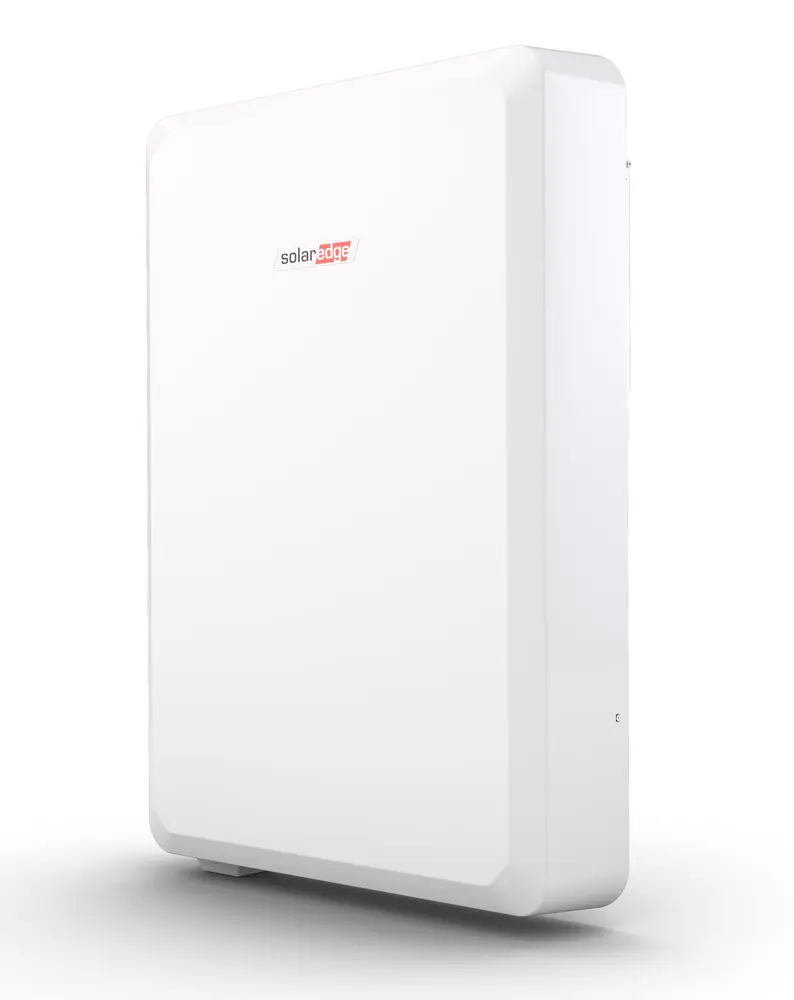
SolarEdgeHome Battery 400V$10,75010 years
  • Usable capacity range: 9.7–29.1 kWh
  • Home supply: Single-phase and Three-phase
  • Coupling: DC-coupled
  • Backup: Backup capable
85/100View productCompare

Frequently asked questions

Quick answers before you compare.

Do I need a three-phase battery for a three-phase home?

Not always. The correct design depends on the inverter, meter arrangement, solar system and which circuits need backup. A licensed installer should document how the proposed system behaves on all three phases.

Can a three-phase battery back up the whole house?

Some systems can, but whole-home backup is configuration dependent. Large loads may need load shedding, and the backup gateway and inverter must be sized for simultaneous demand.

Is a bigger battery automatically better?

No. An oversized battery costs more and may not refill reliably from the available solar. Size it against measured overnight use, winter generation and the power required by overlapping appliances.

Ready to narrow it down?

Use the full finder with your home and priorities.

Open the Home batteries finder →Compare all productsBrowse buying guides