

The short version
What you need to know.
- From 1 October 2026, Queensland permits single-phase 32A EV chargers without the previously required basic or dynamic active management.
- Your electrician still needs to assess household demand and supply capacity. A cheaper installation is possible, not guaranteed.
- Existing active-management equipment remains supported. Removing it is optional and needs an electrician.
What actually changed?
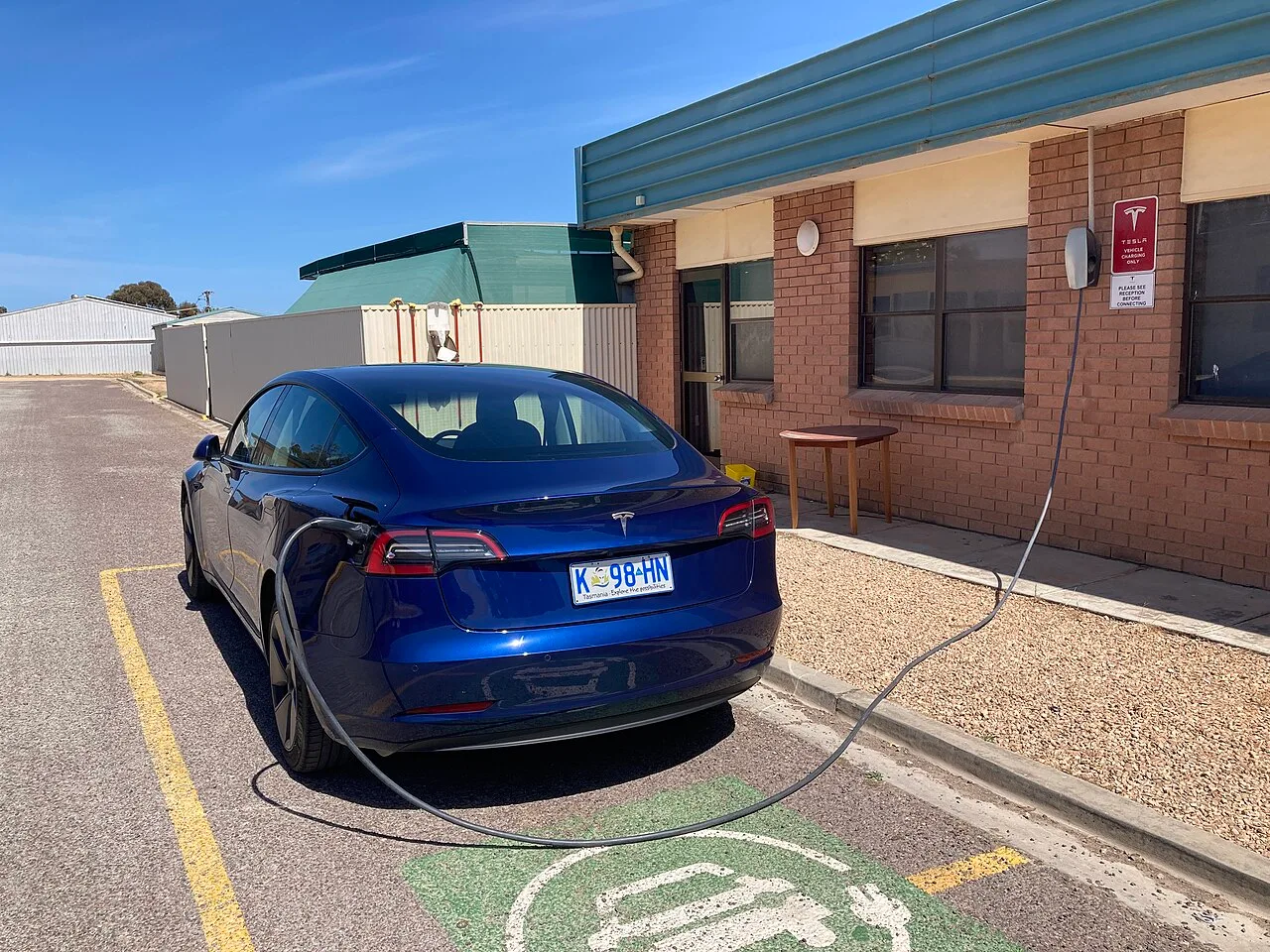
Queensland EV owners have a useful reason to revisit that charger quote sitting in their inbox. From 1 October 2026, Energex and Ergon withdrew clause 8.14.4(b) of the Queensland Electricity Connection Manual. Their alerts explicitly permit single-phase 32A EV chargers without basic Type 2 or dynamic Type 3 active management.
Those labels refer to network-management arrangements here, not the Type 2 charging plug on your car. The practical change is one less compulsory hurdle for the familiar roughly 7kW home wallbox. It deserves attention if an earlier quote included equipment specifically to meet the withdrawn requirement.
Will the installation be cheaper?
Possibly. I would ask for an updated, itemised quote before assuming anything has fallen in price. Get the installer to explain which equipment was there solely for the old requirement, which remains necessary for your property, and what labour changes.
A wallbox still needs a suitable installation. Energex’s home-charging guidance recommends an assessment by a licensed electrical contractor, including the wiring between the switchboard and charging location. Cable distance, access and required upgrades can still make two apparently similar jobs quite different.
Compare the complete installed price, including GST, any allowances and exclusions. A smaller equipment list is helpful only if the final job still meets your needs.
Your home’s capacity still matters
The withdrawal does not add capacity to your electricity supply. The networks say the charger must be included in a fresh maximum-demand assessment, with protection changes where needed. If demand exceeds the network service-fuse rating, network upgrades may be required and a new connection agreement is required; charges can apply.
Think about the household as a whole: cooking, air conditioning, hot water, a battery and the car can all want electricity. Ask the electrician how the proposed setup handles that overlap. The cheapest-looking charger is a poor bargain if the quote has skipped the difficult part of the job.
Keep useful smart features
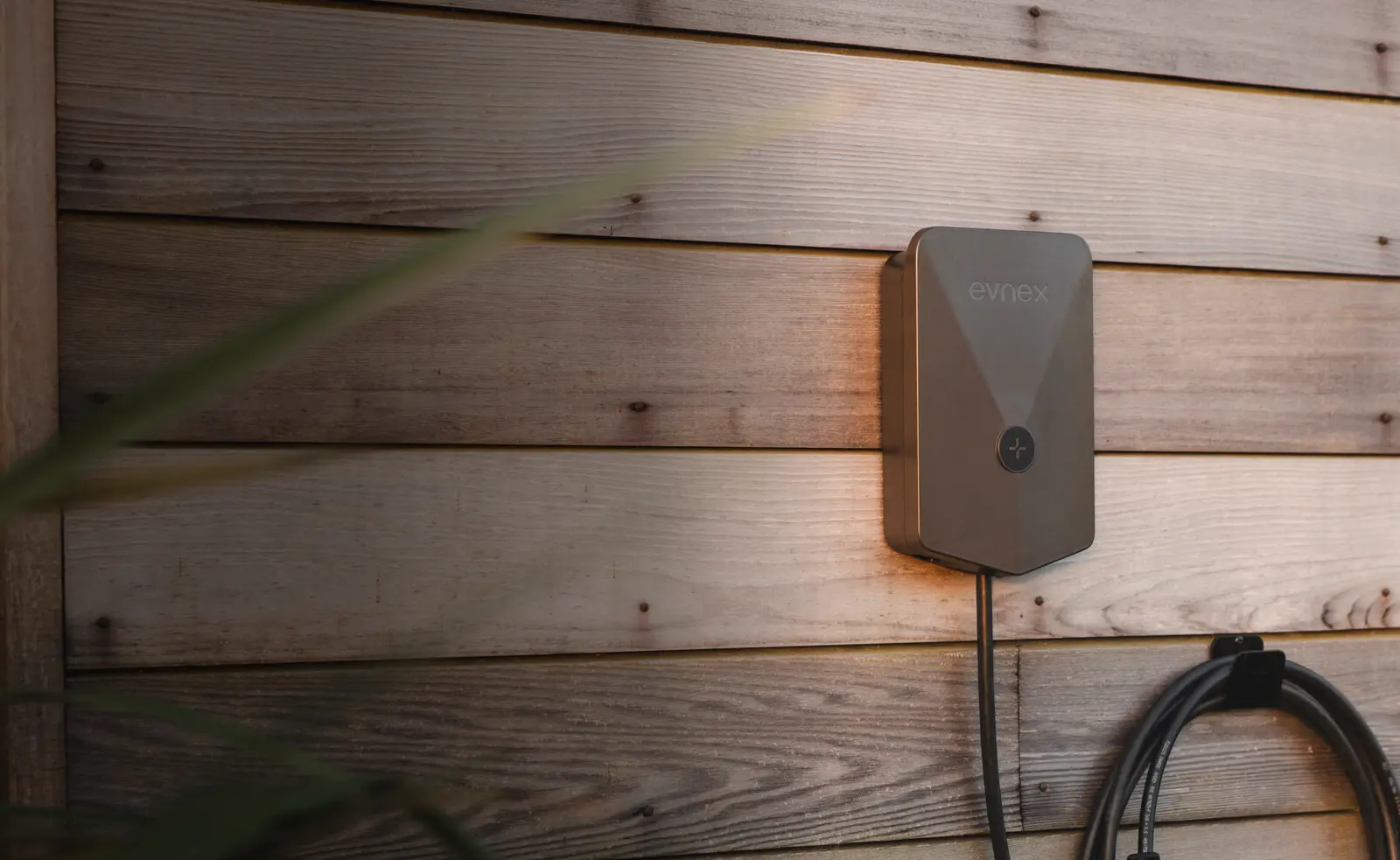
Removing a network requirement does not make smart charging pointless. Scheduling, solar charging and managing household load can still be useful features. Evnex’s own documentation, for example, distinguishes solar-capable models from its E2 Flex, which offers solar smarts as an optional upgrade rather than including them as standard.
That is why I would compare the exact model and installed features rather than buy whatever has the largest number on the box. If your car is usually away during sunshine hours, solar charging deserves a different calculation from a household with a car parked at home all day.
Already installed, or waiting on a booking?
Existing Type 2 and Type 3 active-management devices will continue operating and remain supported. Owners can keep them or arrange removal. There is no need to book work merely because the rule changed.
If a basic active-management Electrical Work Request is already lodged, ask your contractor whether to cancel and revise it. Otherwise, the networks say it will be processed under the previous requirements and a network device installed. Leave changes to the licensed electrician; do not alter wiring or increase an existing charger’s limit yourself.
My takeaway: get a refreshed quote, keep the features you will actually use, and make sure the property assessment is included. The rule change gives Queensland households more flexibility. Whether it saves you money depends on the installation in front of you.
Primary sources
Read the evidence.
- Withdrawal of QECM clause 8.14.4(b), effective 1 October 2026Energex ↗
- Matching withdrawal notice and existing-installation guidanceErgon Energy Network ↗
- Home charging and electrical assessmentEnergex ↗
- E2 range features and the Flex solar upgradeEvnex ↗
- Electrical safety: use a licensed electricianQueensland Electrical Safety Office ↗
Sources checked on 2 October 2026. This is a Queensland network-rule update and general buying guidance, not site-specific electrical advice or a claim that every installation becomes cheaper. Confirm the current requirements and complete installed cost with a licensed electrical contractor.
Community
Add to the article.
Useful experiences, questions and corrections make the next reader’s decision easier.
Comments appear here after moderation.