
The short version
What you need to know.
- Plug-in solar normally combines one or two panels with a microinverter and a cable that feeds power into a household circuit through a wall outlet.
- Australian modelling estimates annual savings of $226 to $372 for an ideal one-kilowatt system, but the result depends heavily on shade, direction, tariffs and how much solar power is used immediately.
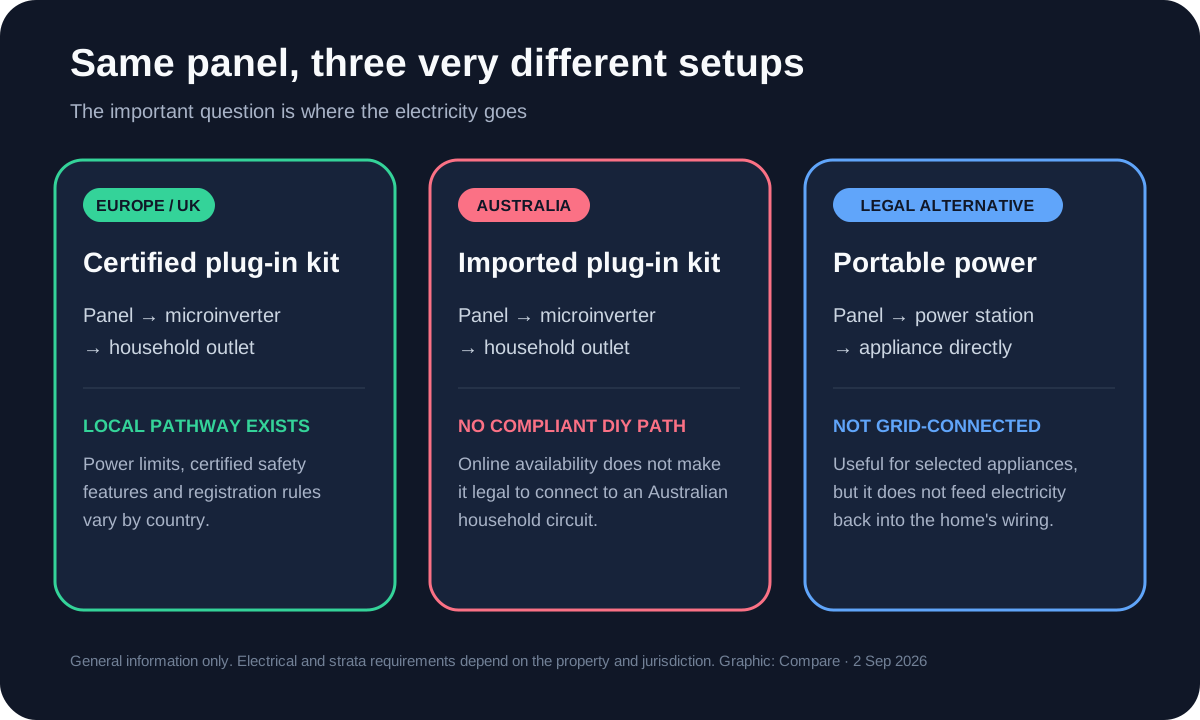
- Australia currently has no compliant DIY pathway for plugging a grid-connected solar system into an ordinary household outlet. A European-approved kit is not automatically approved here.
- The safety questions are manageable, but real: anti-islanding, circuit loading, electrical protection, DC leakage, weather exposure, secure mounting and what happens when surplus electricity reaches the grid.
- Renters can legally use a solar panel to charge a portable power station and run appliances from that unit's own outlets, because it remains separate from the home's fixed wiring.
It really is a solar panel that plugs into the wall
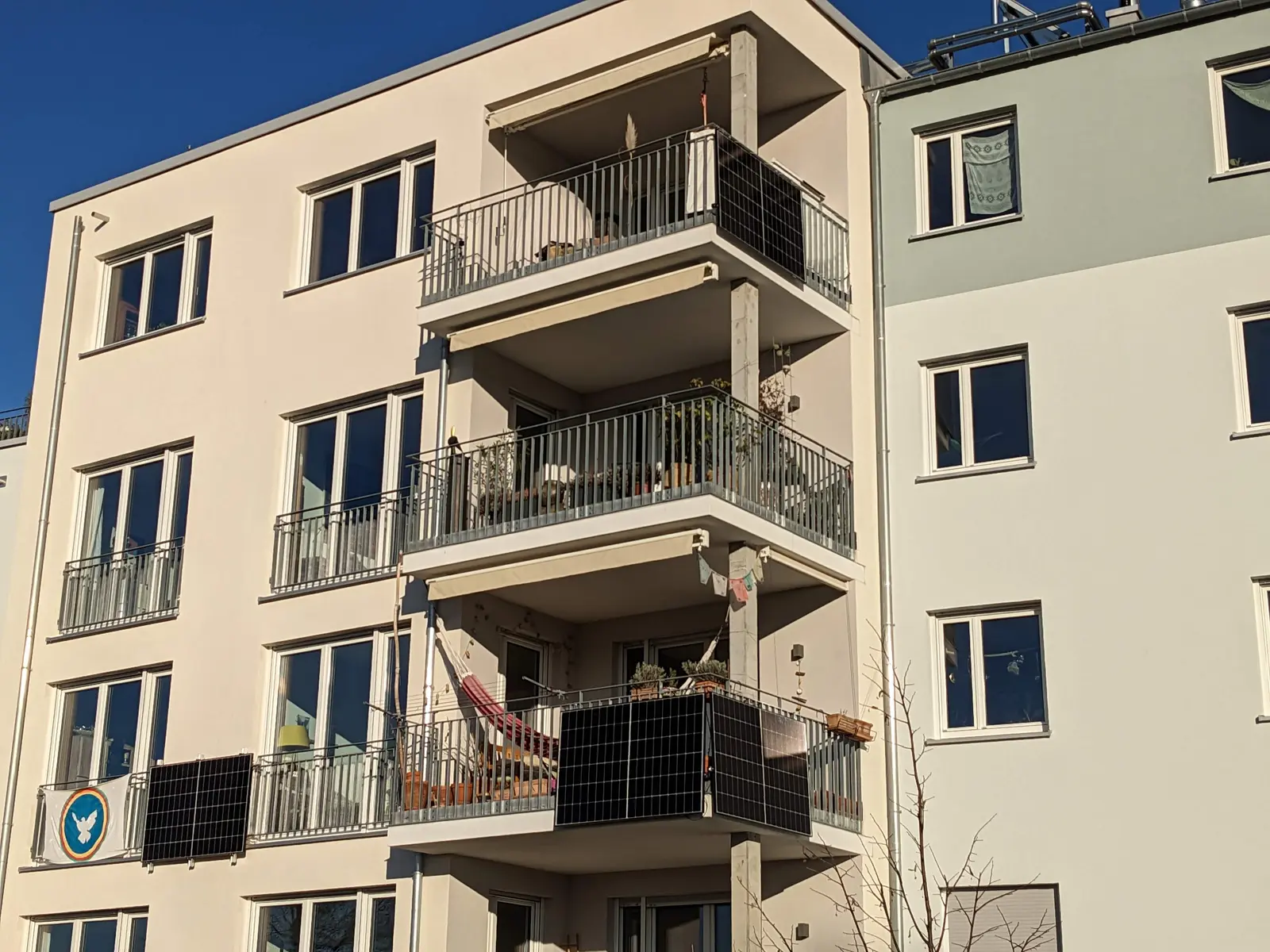
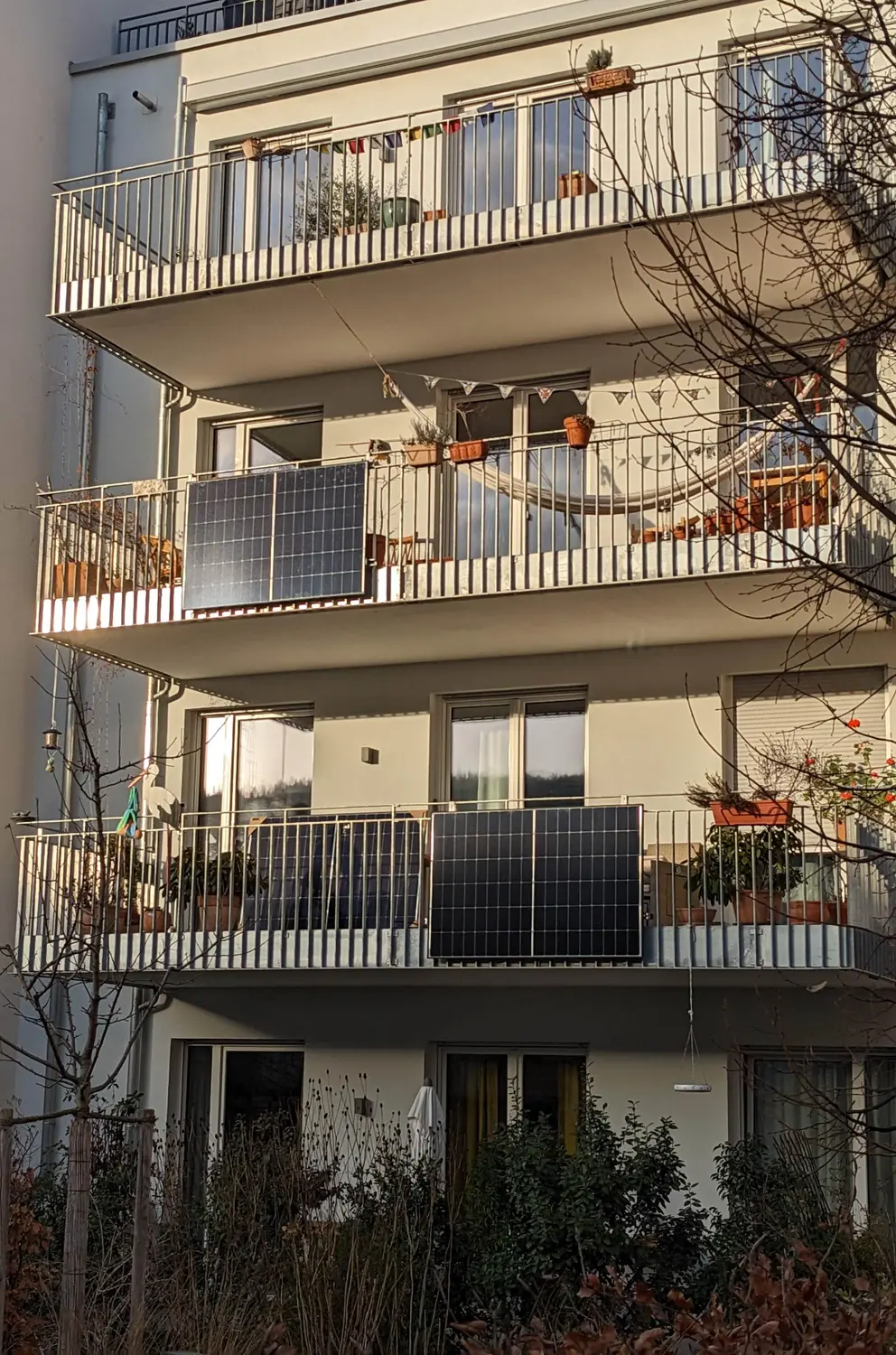
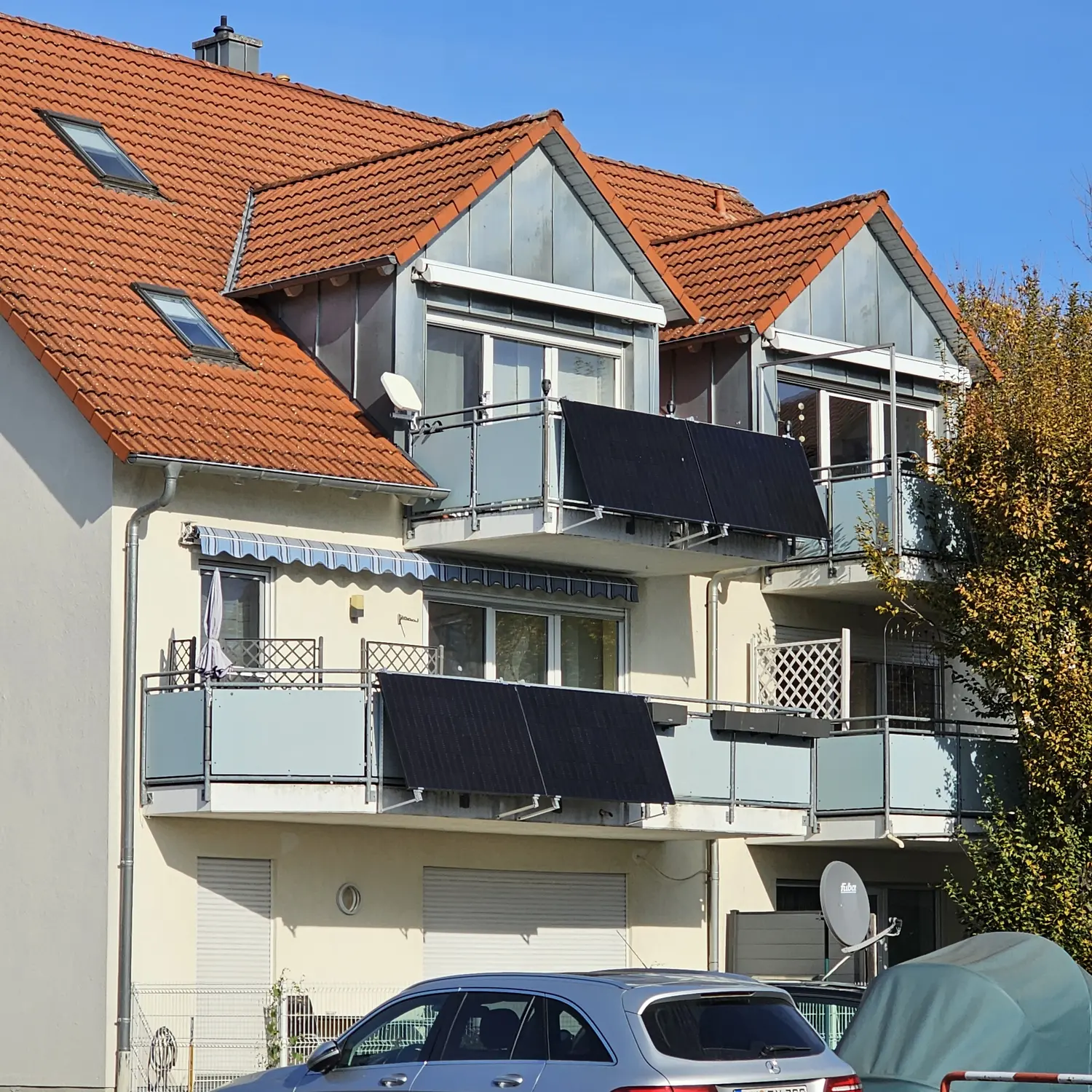
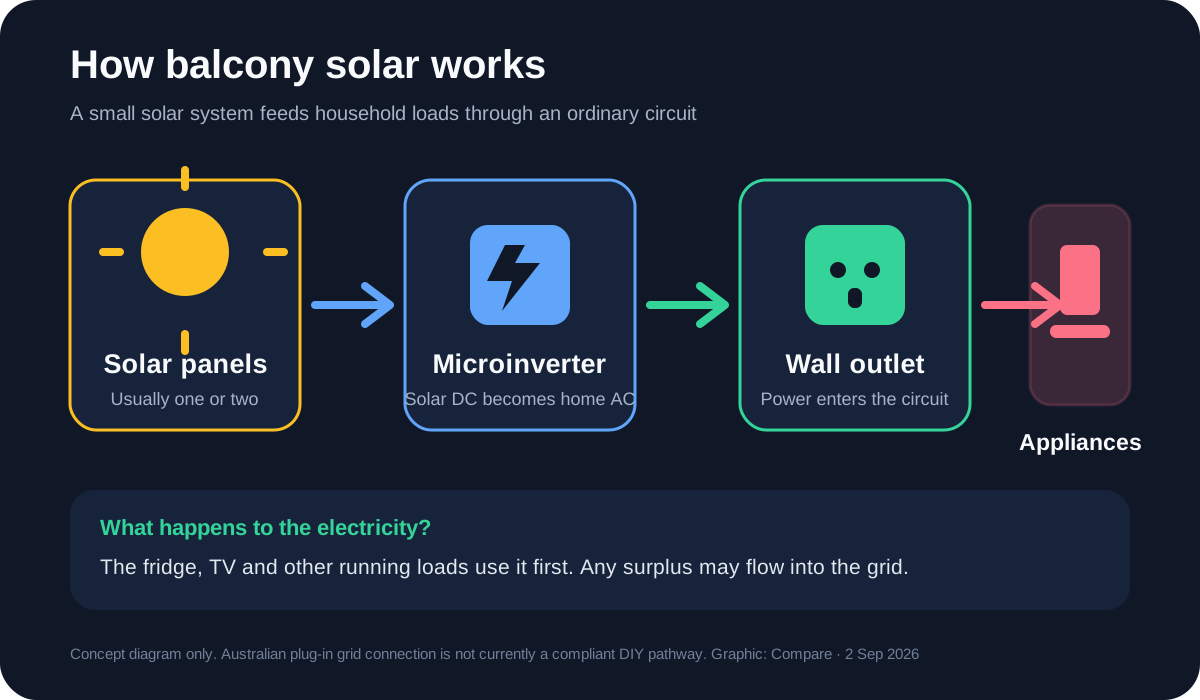
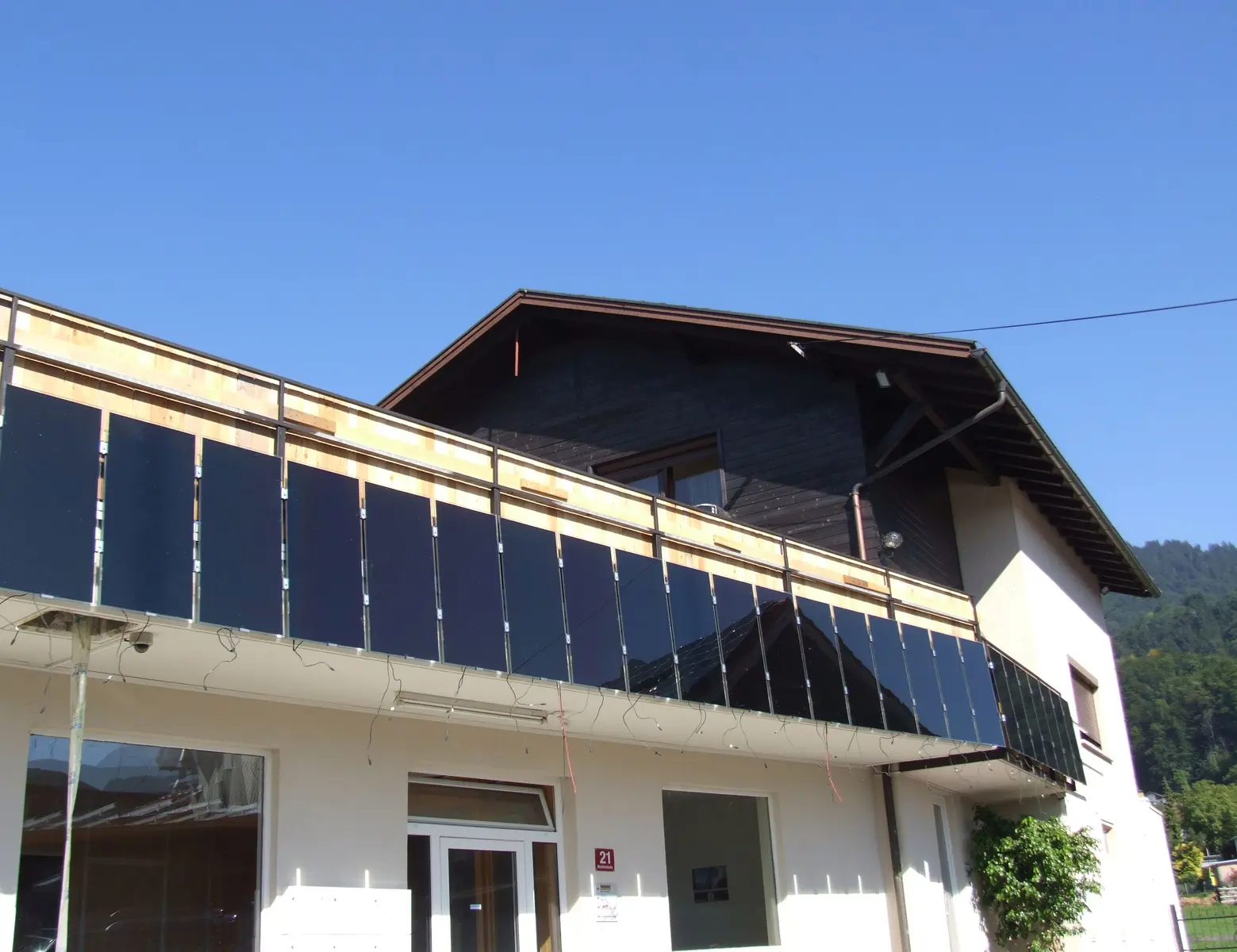
The basic idea is almost suspiciously simple. You attach one or two solar panels to a balcony, fence, shed or freestanding frame. Those panels produce direct-current electricity, a small microinverter converts it to the same alternating current used by the home, and a cable connects the system to a power point.
Once connected, the solar electricity flows into the household circuit. A fridge, television, computer or anything else running at the time uses that power first, reducing the amount being purchased from the grid. If the system produces more than the home is using, the excess may flow back through the meter.
It is not meant to run the entire house. A typical 800-watt system is closer to taking care of the home's background load during a sunny part of the day. That sounds modest, but a fridge, modem, television, laptop and a few standby devices quietly consume power for a lot more hours than most people realise.
Why renters are so interested
Australia has done incredibly well with rooftop solar, provided you own the right kind of roof. Renters and apartment residents are largely watching that success from the footpath. The landlord pays for the system while the tenant receives the lower bill, and in an apartment there is the added joy of strata, common property and limited roof space.
Research cited by UNSW found only about 11 per cent of Australian renters had solar, compared with 44 per cent of homeowners. Apartment residents were even further behind, at around 6 per cent. Plug-in solar attacks most of those barriers at once: it is relatively cheap, removable and can move with the renter.
That portability matters. Spending many thousands of dollars upgrading somebody else's property is a terrible deal for a tenant. Spending roughly $1,000 on a system that can be unclipped and taken to the next home is a very different conversation.
Could it actually save $372 a year?
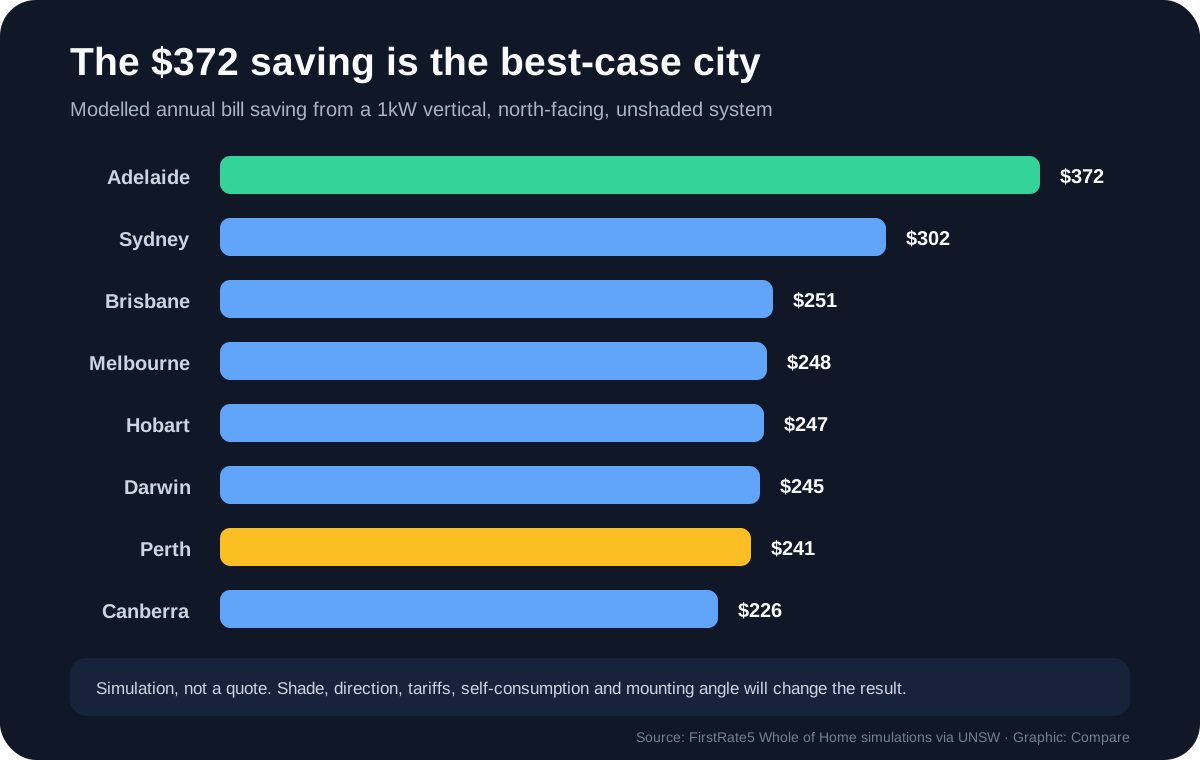
The headline number is possible, but it is not a promise. Researchers used the Nationwide House Energy Rating Scheme Whole of Home tool to model a one-kilowatt system that was vertical, unshaded and facing true north. Adelaide produced the highest estimated annual saving at $372, while Canberra was lowest at $226. Perth came in at $241.
At $1,000 for a kit, the Adelaide result suggests a payback of a little under three years. Perth is closer to four years. That is still attractive, but only if the system actually performs like the model and the household uses enough electricity while the sun is shining.
A shaded south-facing balcony will not magically become a miniature solar farm because the product page used the word ‘balcony’. A vertical panel also gives away some annual generation compared with a well-angled roof. Electricity rates, export treatment, inverter limits and the home's daytime load will all change the answer.
So why can’t Australians use one?
The short answer is that our electrical and grid-connection rules were written around solar being permanently connected by qualified people, not bought as a boxed appliance and plugged into an existing circuit. UNSW says no tested or certified plug-in solar systems are currently available for compliant use in Australia.
You can find products online, including systems designed for Germany and other European countries. That does not make them Australian-approved. Different plugs are the obvious problem, but the bigger questions involve inverter certification, electrical protection, export behaviour, household wiring and the network knowing what is connected behind the meter.
This distinction is important because ‘illegal’ can sound as though Australia has examined one approved product and banned it. That is not really what happened. We simply do not yet have the product standard and installation pathway that would let an ordinary consumer connect one safely and legally.
The safety concerns are real, but not impossible
A properly designed microinverter should stop generating if the grid fails. That anti-islanding protection prevents the little solar system from energising wiring that an electrical worker reasonably expects to be dead. It should also ensure the plug does not remain live when somebody pulls it from the socket.
Circuit loading is more complicated. A normal circuit is protected on the assumption that power arrives from the switchboard. Add another source at the far end and the wiring can potentially supply more current than the protective device alone appears to allow. That is why safe overseas frameworks limit system output and specify where and how equipment can connect.
Australian experts have also raised questions about direct-current leakage affecting some residual-current devices, better known as safety switches. Then there are the less glamorous risks: a poorly secured panel falling from a balcony, cheap connectors exposed to rain, damaged cables, an overloaded powerboard or a renter drilling into common property without approval.
None of that proves the technology is inherently reckless. Germany has already installed plug-in systems at enormous scale. It does show why the solution cannot simply be ‘buy the cheapest kit from an overseas marketplace and add a travel adaptor’. That is not innovation. That is an electrical experiment attached to the side of a building.
What renters can legally do today
The closest legal option is portable solar connected to a portable power station. The panel charges the battery, and selected appliances run directly from the power station's own outlets. Because the unit is not feeding electricity back into the home's fixed wiring, it is doing a different job from grid-connected balcony solar.
This can work well for a laptop, television, modem, lighting or occasionally a fridge, provided the battery and inverter are sized correctly. It is less convenient because appliances must be physically connected to the unit, and a small portable battery will not quietly reduce every circuit on the electricity bill.
Renters can also ask a landlord about conventional rooftop solar, while apartment owners can investigate a shared system, individual metering or a properly engineered strata installation. None is as delightfully simple as a panel and a plug, but they are established pathways.
- Do not connect an imported grid-tied microinverter to a household outlet just because the plug fits.
- Do not use a power station's output to feed a wall socket or improvised changeover arrangement.
- Check balcony loads, wind exposure, waterproofing and strata or landlord permission before mounting any panel.
- Use Australian-approved portable batteries and follow the manufacturer's ventilation, charging and placement instructions.
My verdict: Australia should legalise it properly
I think plug-in solar makes too much sense for Australia to ignore. We have excellent sunlight, high electricity prices and millions of people who cannot put a conventional system on the roof. Telling renters to wait until they can afford a detached house is not much of an energy policy.
But I also do not think we should pretend that a European approval sticker automatically answers every Australian electrical question. The sensible response is to create a local standard and a very simple compliance process, then let properly certified products compete here.
Keep the permitted output modest, require anti-islanding and suitable electrical protection, make registration easy, and stop landlords or strata bodies rejecting a safe installation for purely cosmetic reasons. Germany has shown that balcony solar can move beyond a hobby project. The UK is now opening the door as well.
For now, the frustrating answer remains: the technology exists, the savings look useful and the product can be purchased, but an Australian renter still cannot legally treat it like a toaster. Until the rules change, portable off-grid power is the safer legal compromise.
Primary sources
Read the evidence.
- Balcony solar and plug-in systems in AustraliaUNSW Sydney ↗
- UK launch and Australian savings debateThe Guardian Australia ↗
- Australian electrical protection and plug-in battery concernsRenewEconomy ↗
- Victorian Midday Power SaverVictorian Government ↗
- German apartment balcony-solar photographRudy23 / Wikimedia Commons, CC BY-SA 4.0 ↗
- Two apartment balcony systems photographRudy23 / Wikimedia Commons, CC BY-SA 4.0 ↗
- German balcony power plant photographNikolai Twin / Wikimedia Commons, CC BY 4.0 ↗
- Austrian balcony photovoltaic photographAsurnipal / Wikimedia Commons, CC BY-SA 4.0 ↗
Information and legal status were checked on 2 September 2026. This is general consumer information, not electrical or legal advice. Australian standards, network rules, product approvals and state-based rental or strata requirements may change.
Community
Add to the article.
Useful experiences, questions and corrections make the next reader’s decision easier.
Comments appear here after moderation.