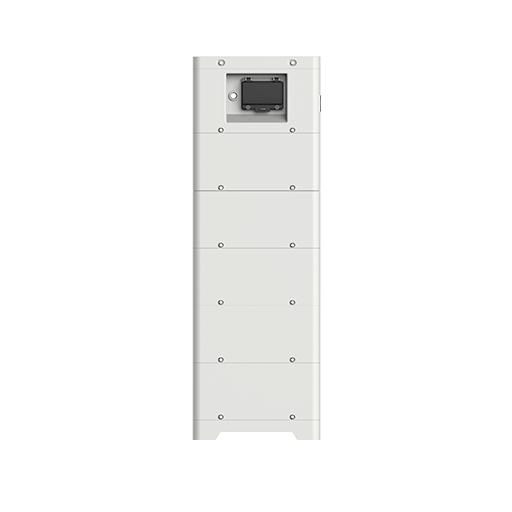
A high-voltage LFP stack with a wide set of published residential capacities.
Research-based opinionConfirmed Australian residential pageChecked 13 July 2026
10.2–66.5 kWh
01
Manufacturer-sourced facts
What it is.
These are product facts, not a score or endorsement.
Usable capacity range
10.2–66.5 kWh
Module size
5.1 kWh
Architecture
DC-coupled
Phase support
Single-phase and Three-phase
Backup
Backup capable
Warranty
10 years / current Australia and New Zealand terms apply
Cell chemistry
LFP
Standout specification
Twelve published configurations from 10.2 to 66.5 kWh
Show 12 model variants
These model names sit inside the family above. Capacity, phase and output still need to match the installed configuration.
T-HS10.2
T-HS15.3
T-HS20.4
T-HS25.6
T-HS30.7
T-HS35.8
T-HS40.9
T-HS46.0
T-HS51.2
T-HS56.3
T-HS61.4
T-HS66.5
02
Our opinion
The buying view.
EDITORIAL OPINION - BASED ON THE CITED RESEARCH
“TSYS-HS51 materially improves the catalogue's large-capacity flexibility. The battery-side power numbers are not a promise of household AC output; the selected X1 or X3 inverter remains the limiting number.”
Best suited to
Homes wanting a broad SolaX capacity ladder with a phase-matched IES inverter
What stands out
Twelve published configurations from 10.2 to 66.5 kWh
03
Cons and watch-outs
What to check before buying.
These are configuration trade-offs and questions to verify, not claims that the product is defective.
The minimum configuration is already 10.2 kWh, so it can be excessive for a very small overnight load.
Capacity, inverter rating and TCBox expansion limits must be checked as one supported system.
Ask for these points to be answered against the exact model numbers and installed configuration in your quote.
04
Evidence trail
Check the sources.
Specifications can change by model revision, region and paired hardware. CEC approval is not proof of current availability or suitability. Confirm the model and final design with the manufacturer and an accredited Australian installer.

 10.2–66.5 kWh