
The short version
What you need to know.
- From 1 October 2026, eligible Victorian households can opt in to free electricity between 11 am and 2 pm every day, subject to a 24 kWh daily fair-use cap.
- The offer needs a smart meter. Electricity outside the free window, especially from 4 pm to 9 pm, still costs money and may be dearer than on your current plan.
- An EV, battery or electric hot water system can make the free window useful, but compare the whole year's bill before switching.
What is actually free?
Victoria's Midday Power Saver becomes available on 1 October 2026. It is an opt-in electricity offer for residential customers with a smart meter. It gives you a zero-cent usage window from 11 am to 2 pm every day, including weekends, for up to 24 kilowatt-hours each day. Licensed retailers with at least 1,000 customers must offer it; ask your retailer how to sign up from the start date.
The cap is a limit, not a daily allowance credited to your bill. If your home imports only 4 kWh in that window, those 4 kWh are free; the unused 20 kWh does not roll over. Check the retailer's charge for use above 24 kWh and any controlled-load arrangement before you opt in.
You still pay a daily supply charge and for imported power during the other 21 hours. This is the bit that matters more than the headline.
The other hours can change the answer
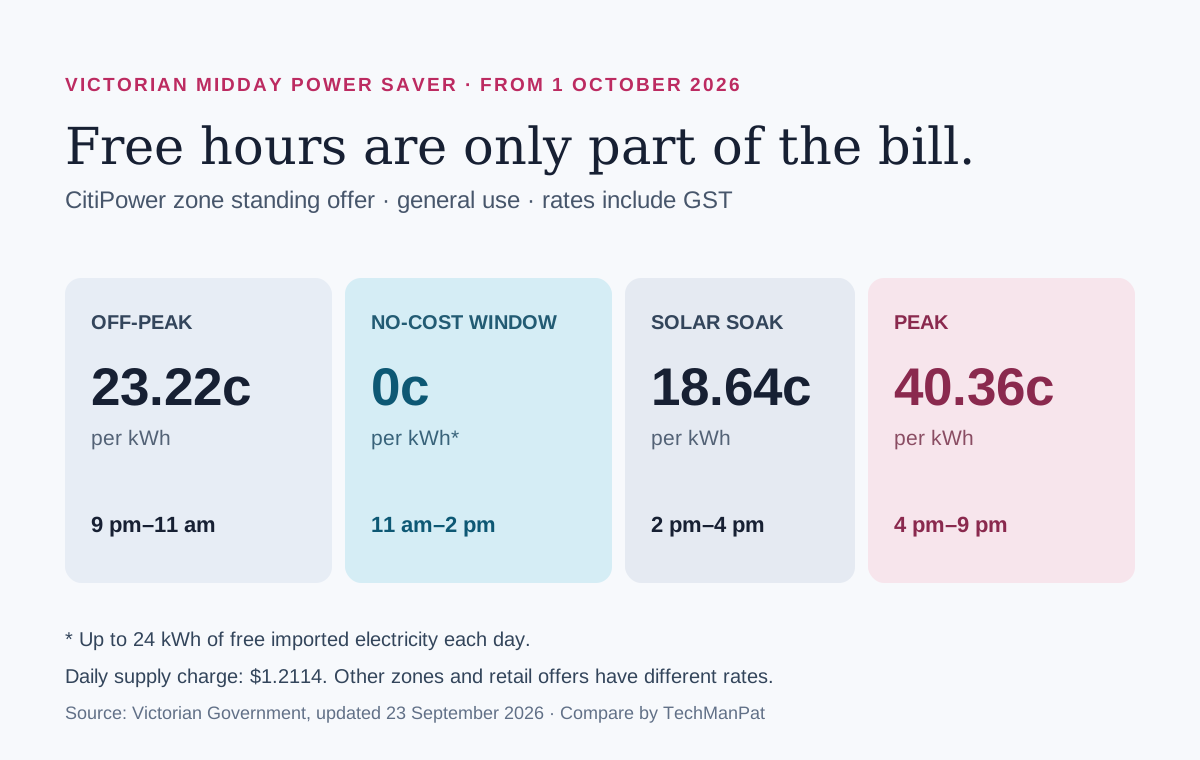
The published standing offer divides the day into four periods: off-peak from 9 pm to 11 am, free from 11 am to 2 pm, a lower-priced solar-soak period from 2 pm to 4 pm, and peak from 4 pm to 9 pm. Rates vary by distribution zone. In CitiPower's zone, the published general-use rates, including GST, are 23.22c/kWh off-peak, 0c free, 18.64c solar-soak and 40.36c peak, plus a $1.2114 daily supply charge. The government lists different rates for AusNet, Jemena, Powercor and United Energy, and this table is for households without controlled load.
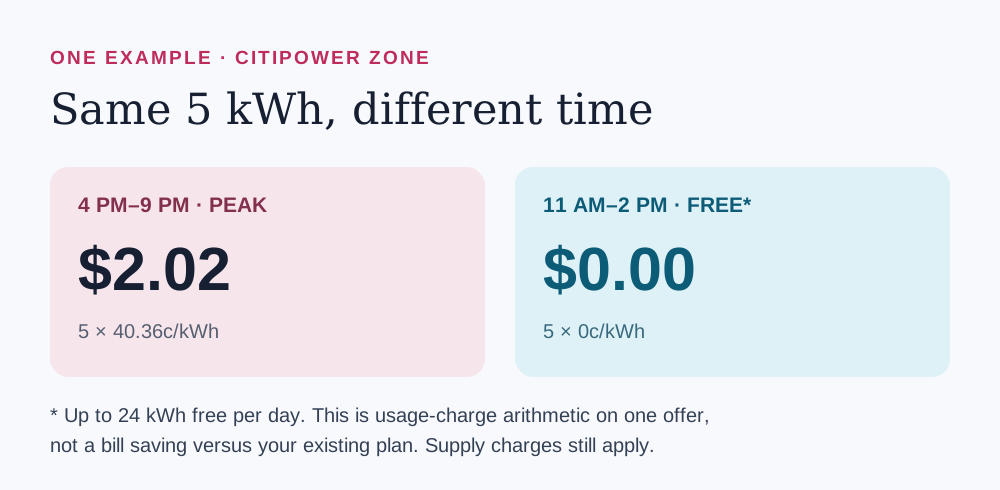
For a simple illustration, moving 5 kWh that you would otherwise buy in the CitiPower peak period into the free window avoids $2.02 of usage charges on that offer. That is not a forecast of your savings against your existing plan: its rates and supply charge may be lower, and you may not be able to shift 5 kWh every day. If you move only 1 kWh into midday but still buy plenty of power at the evening peak, the free window may fail to compensate for higher charges at other times.
The Victorian Government estimates annual savings of $149 to $428 for households shifting 5% to 30% of use into the free period. Those are scenario estimates, not a guaranteed reduction on any particular bill. Its EV illustration adds potential savings under its assumptions; it is not a reason to buy a charger or change plans without looking at your own usage.
EV owners: is the car home when power is free?
If your car is parked at home around lunch, scheduled charging could shift a meaningful load. A charger drawing 7 kW for the full three hours would use about 21 kWh before charging losses, which fits under the 24 kWh cap if other household imports do not use up the rest. Your car, charger, household connection and battery-management settings can limit the actual rate. A car away at work on weekdays may make this much less useful.
Check whether your existing EV tariff has a cheap overnight window. If most charging happens after 9 pm, losing that deal for a midday offer could cost more than you save. Configure a charging schedule only after confirming the retailer's times and any daylight-saving treatment in its plan information.
Compare home EV chargers and scheduling features →
Battery and solar homes need a different calculation
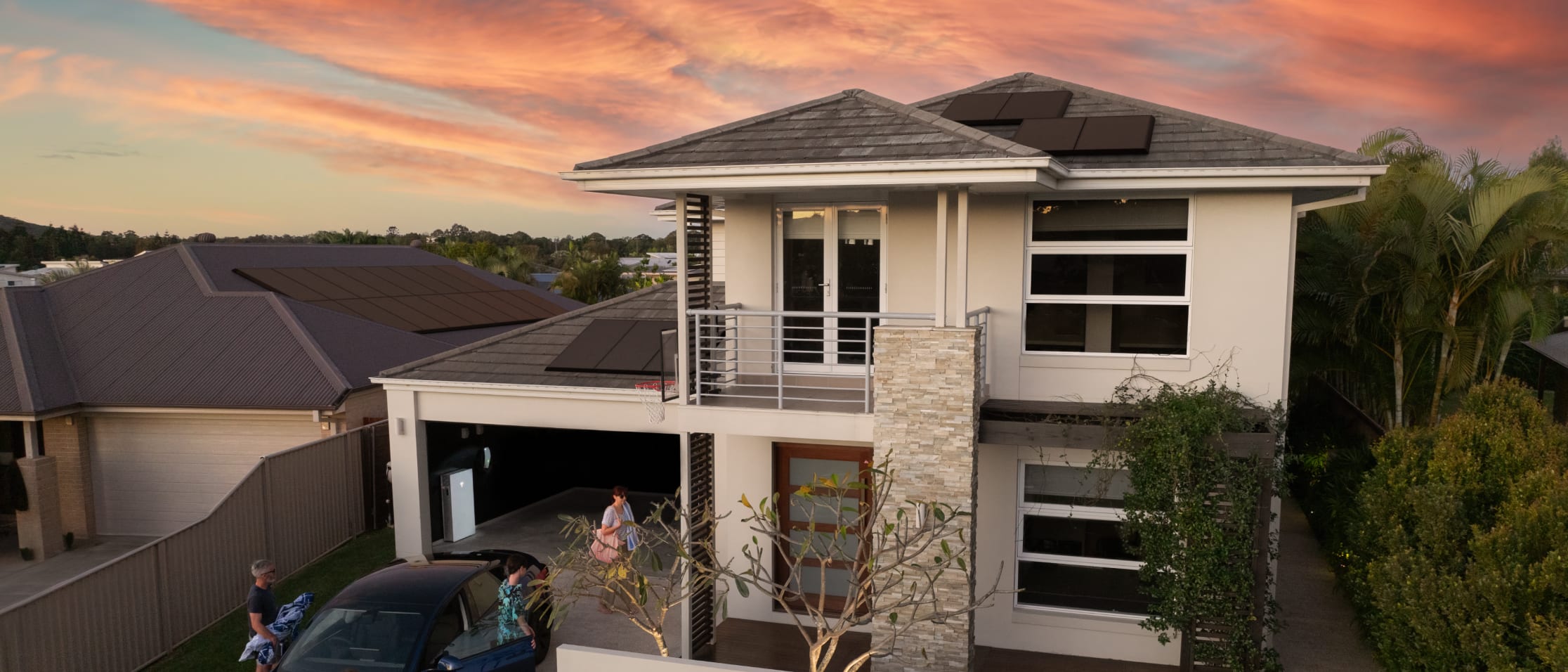
A battery can charge from the grid during the free period and discharge into the evening peak, if its settings and the retailer's terms allow that behaviour. The financial value depends on battery losses, capacity left at midday, what the battery would otherwise have charged from solar, and any VPP obligations. Do not assume a battery automatically changes its schedule when you change your electricity plan.
If your panels already supply the house between 11 am and 2 pm, free grid imports may displace solar electricity you were using yourself or exporting. The comparison then includes your solar feed-in credit and the opportunity to store midday solar for the evening. On cloudy days, a free grid window may be more valuable. Check how your inverter, battery and retailer account for all of these flows.
The government says solar households may still benefit, especially with an EV, battery, pool pump or heating, but there is no single answer for all solar owners.
My checklist before you switch
Ask your retailer for an annual dollar comparison using your actual interval data, including the supply charge, all time periods, any controlled load and solar exports. Request the rate for usage above the daily fair-use cap. If you are in an apartment embedded network, check whether you can choose a licensed retailer and have a smart meter; some residents cannot access the offer yet.
Then identify the loads you can reliably move: hot water, dishwasher, laundry, heating or cooling, EV charging or a battery. Timers can help when you are out, but stagger heavy loads rather than running everything at once. The government advises a licensed electrician to check older wiring or switchboards before scheduling several high-power devices together.
I like the idea of letting more households benefit from abundant daytime solar without buying panels first. I would still choose the offer that produces the lower complete bill for my home, even if that plan has no headline free hours.
Start with Compare's electricity plan finder →
- Do I have a smart meter, and can my retailer offer this plan at my address?
- What will I pay from 4 pm to 9 pm, overnight and each day just to stay connected?
- How much electricity can I shift into 11 am to 2 pm on a normal weekday?
- How will my solar exports, controlled load, EV charging and battery schedule be treated?
- What is the annual estimate against my current plan using my own meter data?
Primary sources
Read the evidence.
- Victorian Midday Power Saver: eligibility, consumer guidance and standing-offer tariffs (updated 23 September 2026)Victorian Government ↗
- Victorian Energy Compare: independent plan comparisonVictorian Government ↗
- Representative solar, battery and EV photographyTesla Australia ↗
Victorian Government guidance checked 24 September 2026. The published rates quoted are the CitiPower general-use standing-offer rates for 1 October 2026 to 30 June 2027, inclusive of GST. Retail offers and individual savings may differ. This is independent editorial analysis, not a personalised tariff quote.
Community
Add to the article.
Useful experiences, questions and corrections make the next reader’s decision easier.
Comments appear here after moderation.