
The short version
What you need to know.
- Energy Matters reports an AU/NZ local withdrawal, with November and December order deadlines.
- SolarEdge’s primary investor remarks confirm selected market exits but do not name Australia.
- Consumer guarantees remain separate from manufacturer warranties; check support and exact equipment before buying.
What has been reported
SolarEdge is reportedly withdrawing from direct local sales and operations in Australia and New Zealand. For households with its equipment already installed, the useful question is who will help when something needs fixing.
Energy Matters reported on 4 November that final purchase orders close on 20 November 2026, with deliveries due by 18 December. It says service and support will move to SolarEdge’s International Tech Centre, eligible products retain their applicable warranties, and certification renewals, promotions and programs will cease.
Those are the reported transition arrangements, not independently verified Australian commitments. Compare has not obtained SolarEdge’s original local notice, so buyers should confirm any deadline or support promise directly before relying on it.
There is primary evidence of a broader retreat. In its 4 November investor remarks, SolarEdge said it was exiting selected underperforming markets and redirecting resources towards core markets and higher-growth opportunities. Those remarks do not identify Australia or New Zealand. They also describe an operating global business developing solar, storage and data-centre technology, rather than a company shutting down altogether.
Your warranty deserves a closer look
A local withdrawal does not automatically erase Australian Consumer Law protections. The ACCC says consumer guarantees apply to solar equipment and installation services separately from manufacturer warranties. A supplier must help with a valid consumer guarantee claim, rather than simply send you off to the manufacturer.
Who you paid matters. If one business supplied the equipment and installation, it is generally responsible for resolving problems with both, even when it subcontracted the installation. If you paid separate businesses, product faults normally go to the retailer and installation faults to the installer.
SolarEdge’s published Australian limited warranty also recognises consumer-law rights. Its December 2025 document lists different periods for different equipment and directs Home Battery owners to separate battery terms. Do not assume an inverter warranty covers every box on the wall.
That document excludes various on-site labour and travel costs from the manufacturer warranty unless agreed otherwise in advance. That does not settle what you can claim under consumer law. Ask who will pay before authorising work, and keep the answer.
Buying or expanding? Get the details in writing
I would be cautious about treating remaining stock as a bargain without checking the support arrangements. A discount is less impressive if nobody can explain what happens when a part fails.
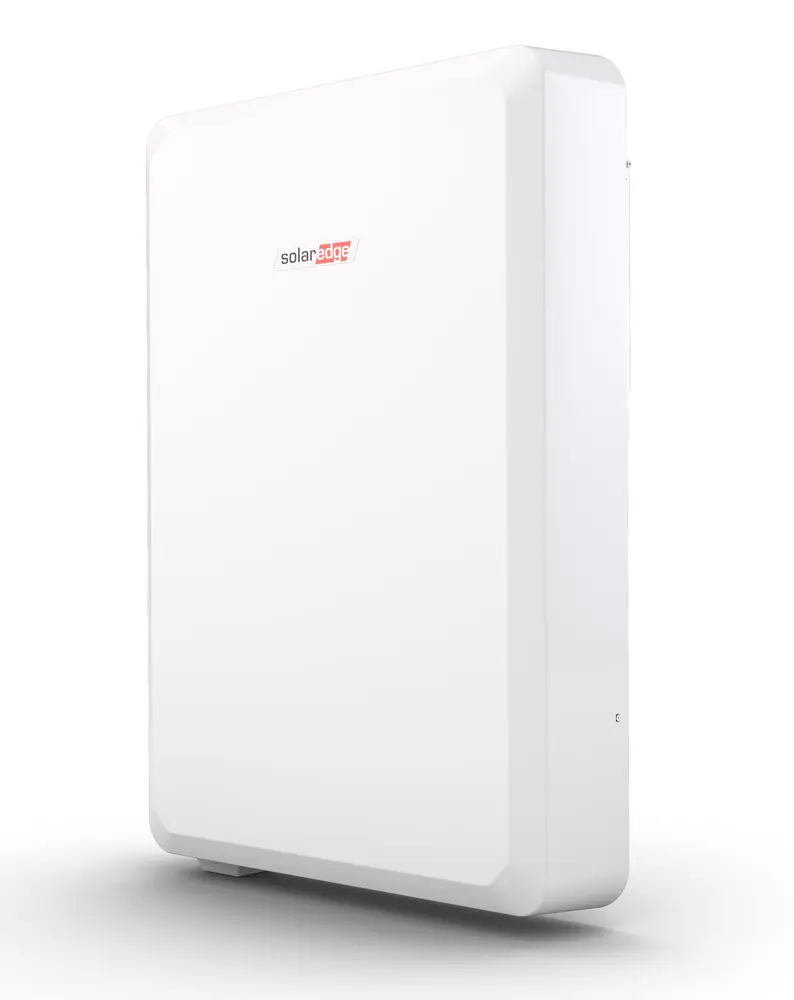
SolarEdge’s Australian Home Battery page says it is designed for its single- and three-phase inverters, with configuration differences. An expansion therefore needs a proper compatibility check, not an assumption that any battery or replacement inverter will do.
Ask the seller to identify the exact model, current approvals, installation eligibility, applicable warranty and replacement pathway. If your quote includes a promotion or future upgrade, ask whether that commitment still stands. Reported certification changes make those questions particularly relevant, but do not establish that every existing system is unsafe or must be removed.
Existing owners can usefully organise invoices, installation paperwork, model and serial numbers, warranty extensions and previous case numbers now. SolarEdge still publishes a residential warranty checker and Australian support page. The checker itself says the applicable warranty document controls, so keep that document too.
My take
There is no sensible reason to rush out and replace functioning equipment solely because of this report. Keep an eye on performance and report faults promptly. If a supplier dispute cannot be resolved, your state or territory consumer protection agency is a practical next step.
For a new purchase, I would put local service, replacement compatibility and the business handling your claim beside capacity and price. Solar and batteries are long-term purchases. The support plan deserves more attention than a reassuring number of years on the brochure.
Sources
Read the evidence.
- Reported Australian and New Zealand withdrawal, 4 November 2026Energy Matters ↗
- Q3 2026 prepared investor remarks, 4 November 2026SolarEdge ↗
- Solar panel systems and home batteries: consumer guarantees and complaintsACCC ↗
- Australian limited product warranty, December 2025SolarEdge ↗
- Australian Home Battery 400V compatibilitySolarEdge ↗
- Residential warranty checkerSolarEdge ↗
- Australian supportSolarEdge ↗
- Warranties and consumer guaranteesACCC ↗
Checked 5 November 2026. Local exit details are attributed to Energy Matters; Compare has not independently obtained the original Australian notice. SolarEdge’s investor remarks support the broader market-exit strategy but do not name Australia or New Zealand. General consumer information, not advice about a specific legal claim.
Community
Add to the article.
Useful experiences, questions and corrections make the next reader’s decision easier.
Comments appear here after moderation.