
The short version
What you need to know.
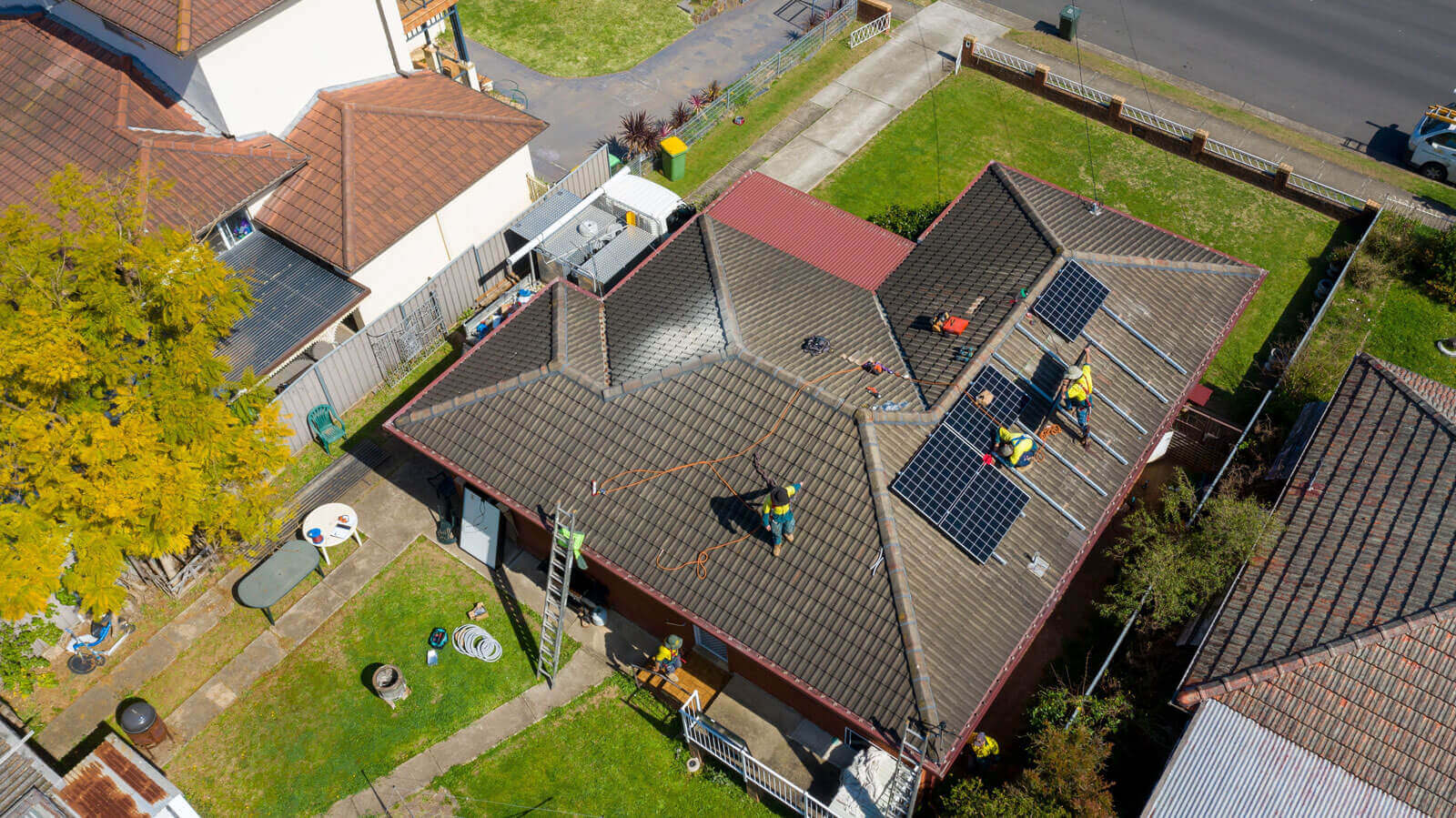
- The announced $11 million pilot targets selected social-housing properties in the Illawarra, with solar, batteries and coordinated energy management.
- EnergyCo’s current consultation is for industry input, not household applications. It is not a general solar rebate for renters.
- My view: tenant savings, simple support and clear battery-control rules should be the measures of success.
This is the part of the battery conversation we need more of
We spend a lot of time talking about which battery to buy, how big it should be and how quickly it might pay for itself. But that conversation assumes you can make changes to the property and afford the system in the first place. For a tenant, those are fairly large assumptions.
That is why this Illawarra announcement caught my attention. Getting solar and storage into social housing could make the technology useful to people who have been watching the home-energy upgrade conversation from the sidelines. I would much rather see the benefits reach more households than have batteries become another upgrade available mainly to people who already have money to spend.
There is a fair bit still to work through. Here is what has actually been announced, and what I would want answered before calling it a success.
What is the Illawarra pilot?
RenewEconomy’s Peter Hannam reported on 28 September that an $11 million pilot will install rooftop solar and batteries on selected social-housing properties in the Illawarra. The announced funding is $10 million from the Australian Government and $1 million from NSW. The systems are intended to operate together through a virtual power plant, or VPP.
EnergyCo confirms it is developing the program with the NSW Department of Climate Change, Energy, the Environment and Water. Its market sounding is asking installers and VPP operators to help shape the commercial and technical arrangements. This is still design work, rather than evidence of completed installations or measured household savings.
What does a virtual power plant actually do?
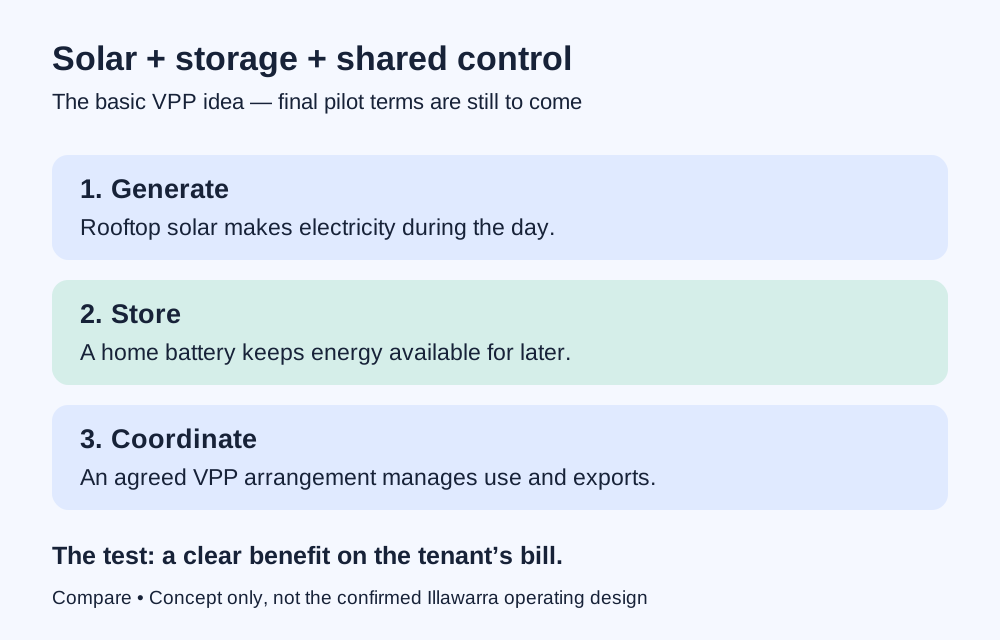
The name sounds more complicated than the basic idea. Instead of operating every home battery in isolation, a provider coordinates a group of systems remotely. A household can use stored energy, while the operator can arrange exports to support the grid under the agreed terms.
NSW’s general VPP guidance says providers differ in payments, when they access stored electricity and whether you need to change retailer. Those general arrangements are not confirmed terms for this pilot. That distinction matters: a commercial VPP offer aimed at a homeowner is not automatically the right deal for a social-housing tenant.
NSW’s explanation of VPPs and provider conditions →
The tenant’s bill should be the starting point
My first question would be pretty simple: after everything is accounted for, how much better off is the person living in the house?
A system can look impressive in an app and still leave someone confused about where the money went. I would want a plain comparison of the electricity bill before and after, with any retailer changes, service fees and credits shown together. A payment for exporting energy is only one part of that calculation.
For illustration, a $20 monthly reduction would mean $240 a year left in the household budget. That is arithmetic, not a forecast for this scheme. The public material reviewed does not establish a guaranteed saving per tenant, so I am not going to invent one.
It would also be useful to measure whether people can afford to keep their homes comfortable. If a resident can finally run the air conditioner during a hot afternoon, that is a worthwhile outcome even if increased use means the bill does not fall as much as a model predicted. I would want both comfort and cost included in the evaluation.
Five things I want the final offer to explain
These are my priorities for the design, rather than claims that the program already includes them. A tenant should be able to understand the arrangement without becoming an energy trader.
- Who receives the benefit? Explain how solar savings and VPP revenue reach the tenant, including any charges or deductions.
- Who controls the battery? Set out when energy can be exported and how household needs are protected.
- Can the tenant choose their retailer? Explain any required plan, its full pricing and what happens when an agreement ends.
- Who fixes a fault? Give residents one clear support contact, with responsibility for maintenance, connectivity and replacement.
- What happens when someone moves? Explain how the equipment, account and any obligations transfer to the next tenancy.
And yes, I would ask about blackout protection
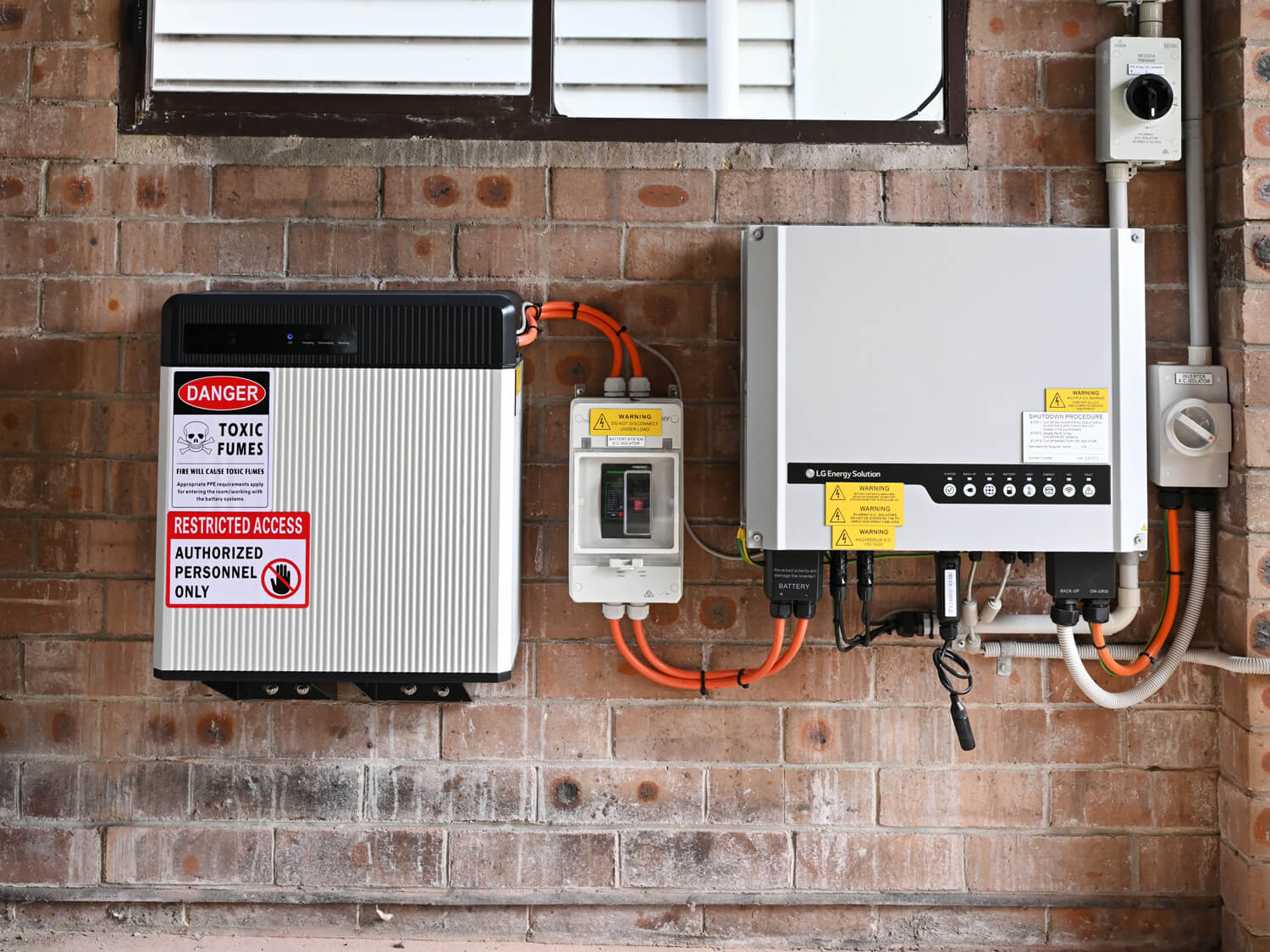
For me, the appeal of a battery goes beyond the bill. Being able to keep useful things running during an outage matters too. But I would want that capability written into the offer and demonstrated at handover.
The pilot information reviewed does not confirm household backup arrangements. Residents should ask whether backup is included, which circuits would work, how much charge would be reserved and whether VPP operation can affect that reserve. A promise to support grid reliability is not enough to answer those questions about an individual home.
That is a feature I would like the designers to consider carefully, alongside cost. The right outcome is useful, dependable equipment that the household can live with for years.
What renters can do now
If you live in social housing, ask your housing provider about planned energy upgrades and how properties are selected. NSW’s broader Social Housing Energy Performance Initiative is provider-led: residents cannot apply directly. Its upgrades can include insulation, efficient hot water and heating or cooling, as well as solar and batteries. Those broader upgrades should not be confused with automatic eligibility for this particular VPP pilot.
Private renters should not assume this announcement covers their home. It is a targeted social-housing project in the Illawarra, not an Australia-wide rental offer. Keep an eye on the official program information as the design progresses.
My take: a good direction, with a very practical test
I am pleased to see this being explored. We should be finding ways for renters to benefit from better home technology, especially when they cannot make the purchasing decision themselves.
I would like the finished pilot to publish the ordinary results: what it cost to deliver, what tenants saved, how reliable it was and how much help people needed. Those answers would tell us far more about whether to expand it than another photo of a battery on a wall.
Get the costs, support and sharing of benefits right, and this could be a useful model for more homes. The thing I will be watching is whether the residents themselves can point to a clear improvement.
For readers comparing their own options, our electricity-plan and VPP category is a place to explore retail offers. It is separate from this pilot and cannot enrol a household in the government program.
Primary sources
Read the evidence.
- Representative rooftop solar installation photographyNSW Climate and Energy Action ↗
- Representative Kiama Downs home battery photographyNSW Climate and Energy Action ↗
- Original reporting: Illawarra social-housing solar and battery pilot, 28 September 2026RenewEconomy — Peter Hannam ↗
- Pilot development and industry market sounding; no household recruitment at this stageEnergyCo ↗
- VPP operation, retailer requirements and differing provider termsNSW Climate and Energy Action ↗
- SHEPI property selection and available types of upgradeNSW Climate and Energy Action ↗
Checked 28 September 2026. Funding details are attributed to current reporting; EnergyCo confirms the program is under development. Its exploratory market sounding is non-binding and is not a procurement or household application process. Commentary and desired consumer protections are Patryk’s analysis, not confirmed pilot terms. No per-home saving, battery brand, installation date or backup capability is assumed.
Community
Add to the article.
Useful experiences, questions and corrections make the next reader’s decision easier.
Comments appear here after moderation.