
The short version
What you need to know.
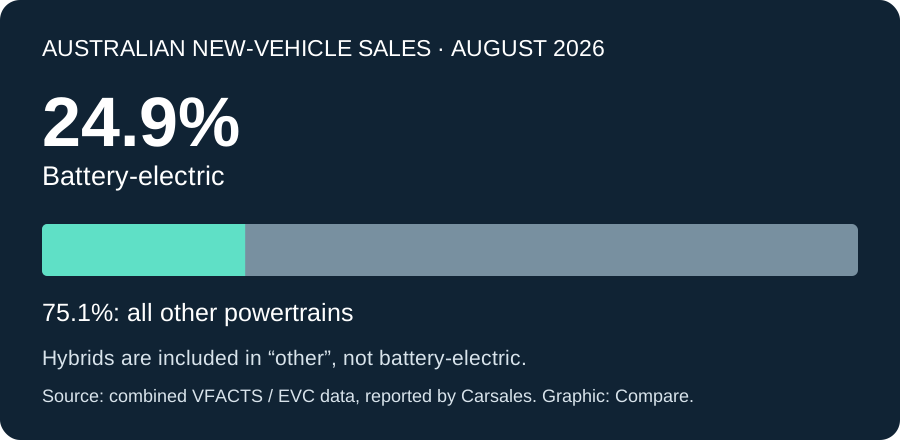
- Battery-electric vehicles accounted for 24.9% of Australian new-vehicle sales in August 2026. That excludes hybrids and does not describe the existing vehicle fleet.
- Check your charging arrangements before choosing the car, especially if you rent or park in a shared garage.
- Compare insurance, installed charging costs, servicing and warranty support alongside purchase price and claimed range.
The milestone is real. Your driveway still matters more.
If you've started noticing electric cars everywhere, August's sales figures help explain why. Battery-electric vehicles accounted for 24.9% of Australia's new-vehicle market: almost one in four vehicles sold during the month.
Carsales' breakdown combines FCAI VFACTS figures with Electric Vehicle Council reporting for Tesla and Polestar. It puts battery-electric deliveries at about 27,000. They outsold petrol-only vehicles and diesel vehicles separately, not those two groups combined. Hybrids and plug-in hybrids are separate categories again.
That is a significant shift in what Australians are buying. It doesn't mean a quarter of the cars already on our roads are electric, or that everyone needs to replace a perfectly good car this weekend.
My advice for a first-time buyer is fairly simple: spend less time arguing about whether EVs have arrived, and more time working out whether a particular EV fits your week. This is a practical guide based on Australian guidance and manufacturer documentation, rather than a claim that I've tested every car pictured.
1. Work out where the car will sleep—and charge
Before I would compare battery sizes, I'd look at the parking space. Can you charge there safely? Is it your own garage, an allocated apartment bay or whichever street park happens to be free? Those are three very different ownership experiences.
The Australian Government's charging guide says a suitable standard power point can meet some drivers' daily needs. You don't automatically need a wall charger on day one. Have a licensed electrician assess the setup and use appropriate charging equipment directly at the outlet, rather than improvising with a power board or extension lead.
If you want a dedicated charger, get an installed quote. The box price doesn't tell you what cable runs, switchboard work or supply changes will cost. Confirm the charging rate your car and home can actually support.
For an apartment, ask about approval, electrical capacity and how your electricity use will be billed before ordering anything. Renters should settle installation permission with the landlord as well. The government's strata guide is a useful starting point; a salesperson saying 'you can just get a charger' is not an approval.
2. Put your own electricity price into the maths
Cheap charging is appealing. But a saving calculated with someone else's tariff isn't much use when you are paying a different rate.
Here is an illustrative calculation, not a measured result for a particular EV. Assume you buy 20kWh of electricity for every 100km driven, including charging losses. At 30 cents per kWh, that is $6 per 100km. At 70 cents, it becomes $14. Over 15,000km, those assumptions produce annual charging costs of $900 and $2,100 respectively.
Neither rate is a claim about today's cheapest plan or every public charger. The point is that the same assumed energy use can produce a $1,200 difference just by changing the price of electricity. Replace both assumptions with figures relevant to your shortlist and charging locations.
If you are changing your home electricity plan, compare the whole household bill, including supply charges and rates outside the cheap charging window. For solar charging, consider when the car is actually home and the feed-in revenue you give up. A low overnight rate won't magically reduce every other charge on the bill.
3. Buy enough range for your trips, with some breathing room
A brochure range figure is a comparison benchmark. It isn't a promise that you can drive that distance on every motorway trip with the family, luggage and air conditioning.
RACV's Australian guide explains that speed, temperature, terrain and driving style affect real-world range. Look for independent testing of the exact variant you want, and pay attention to the conditions. A suburban test and a highway run answer different questions.
I would write down two journeys: the ordinary week and the longest trip you repeat often. Then check charging stops for the second one. Leave a reserve and identify another charger you could reach if the first is unavailable.
Don't compare cars only by their peak charging power either. Ask how long a useful charging stop takes, under what conditions, and what happens as the battery fills. Follow the owner's manual for routine charge limits; battery-care advice isn't identical across every chemistry and model.
4. Get the insurance quote before paying the deposit
This is an easy check to leave too late. Get quotes for the actual variants you're considering, using the same drivers, address, excess and level of cover. Don't substitute an industry average for the price an insurer will offer you.
Ask about repairer choice, hire-car cover and what the policy says about the battery and charging equipment. Read the relevant policy documents rather than assuming 'EV insurance' includes everything you have in mind.
Then add registration, finance costs if applicable, tyres, servicing and any charging installation to your comparison. If you plan to sell after a few years, try more than one resale-value assumption. A fuel saving is one part of ownership cost; it doesn't cancel out the purchase price.
5. Read the battery warranty separately
A long battery warranty sounds reassuring, but the number of years is only the start. Check the kilometre limit, any minimum capacity-retention commitment, exclusions and the terms for your delivery date and variant.
Tesla's Australian warranty page is a useful example of why this matters: it separates basic vehicle cover from battery and drive-unit cover, and battery kilometre limits differ between variants. It also directs owners to the warranty supplied with their specific vehicle.
A capacity threshold is not a promise that the battery will retain its original range indefinitely. Nor should the warranty expiry date be treated as a scheduled battery replacement date.
Ask who handles a warranty assessment near you, where the car would go for repairs and what transport support is available. Those answers matter whether the badge is familiar or belongs to a brand that has only recently arrived.
6. Remember it is still a car
The government's maintenance guide is clear that EVs still need servicing and maintenance. Use the model's schedule when budgeting, and check replacement tyre prices for the wheel size you're choosing. Fewer engine-related jobs doesn't mean every running cost disappears.
On the test drive, try the boring things. Fit the child seats. Put the pram in the boot. Park it where you normally park. Adjust the air conditioning, find the demister and see whether the driver alerts annoy you.
Ask which features are included permanently and which require an ongoing subscription. Check phone compatibility and whether every regular driver is comfortable with the controls. A spectacular acceleration run won't tell you whether the car is pleasant to live with.
My take: solve the routine before chasing the specification
The August result makes this a good time to take EVs seriously if you're already shopping. It isn't a reason to rush a purchase.
I would start with charging access, then shortlist cars that comfortably handle the driving you actually do. Get the insurance and installation quotes, read the warranty, and take a proper test drive. Once those pieces line up, the decision becomes a lot less mysterious.
You can use Compare's electric-car catalogue to build that shortlist, then look at home chargers separately. The best result is a car that makes your normal week easier—not simply the one with the biggest number next to 'range'.
- Charging: a workable everyday location and a backup.
- Range: evidence for your variant and your regular longer trip.
- Costs: written insurance, servicing and installation quotes.
- Support: battery terms and a realistic local repair pathway.
- Fit: a test drive that includes your ordinary family and parking needs.
Primary sources
Read the evidence.
- August 2026 sales: combined VFACTS and Electric Vehicle Council breakdownCarsales ↗
- How to charge your electric vehicleAustralian Government ↗
- Installing a personal EV charger in strataAustralian Government ↗
- Electric vehicles in Australia: buying and ownership guideRACV ↗
- Electric vehicle maintenance and servicingAustralian Government ↗
- Australian vehicle warranty: model and delivery-date qualificationsTesla ↗
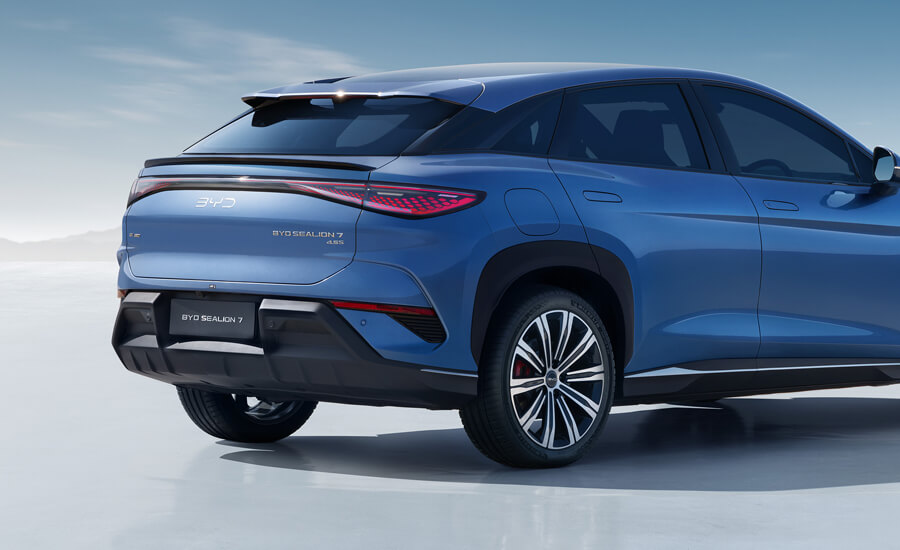
- Sealion 7 Australian product page and official imageryBYD Australia ↗
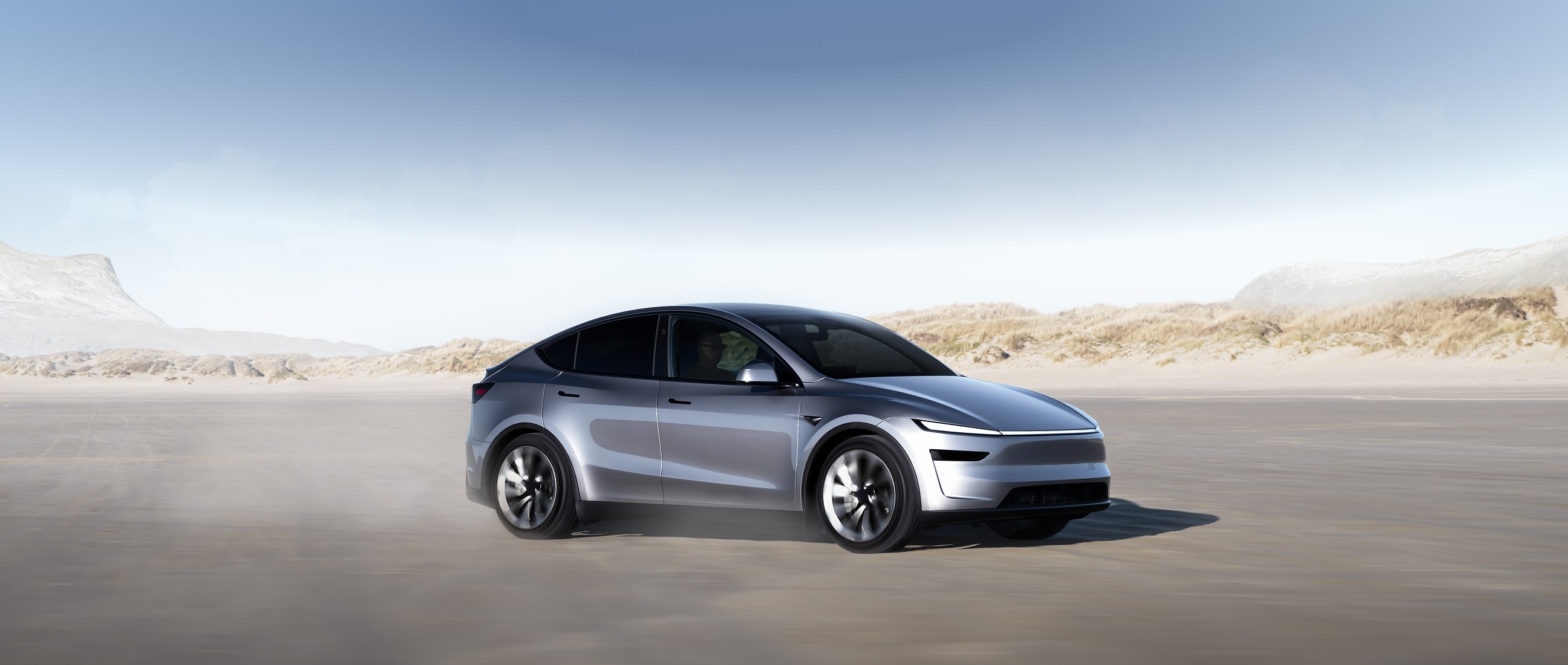
- Model Y Australian product page and official imageryTesla ↗
Checked 7 September 2026. Sales share covers new vehicles delivered in August, including Tesla and Polestar through separate reporting. Photographs are manufacturer imagery, not evidence of hands-on testing. Charging-cost examples are original arithmetic using explicitly stated assumptions, not current tariff quotes or vehicle test results.
Community
Add to the article.
Useful experiences, questions and corrections make the next reader’s decision easier.
Comments appear here after moderation.